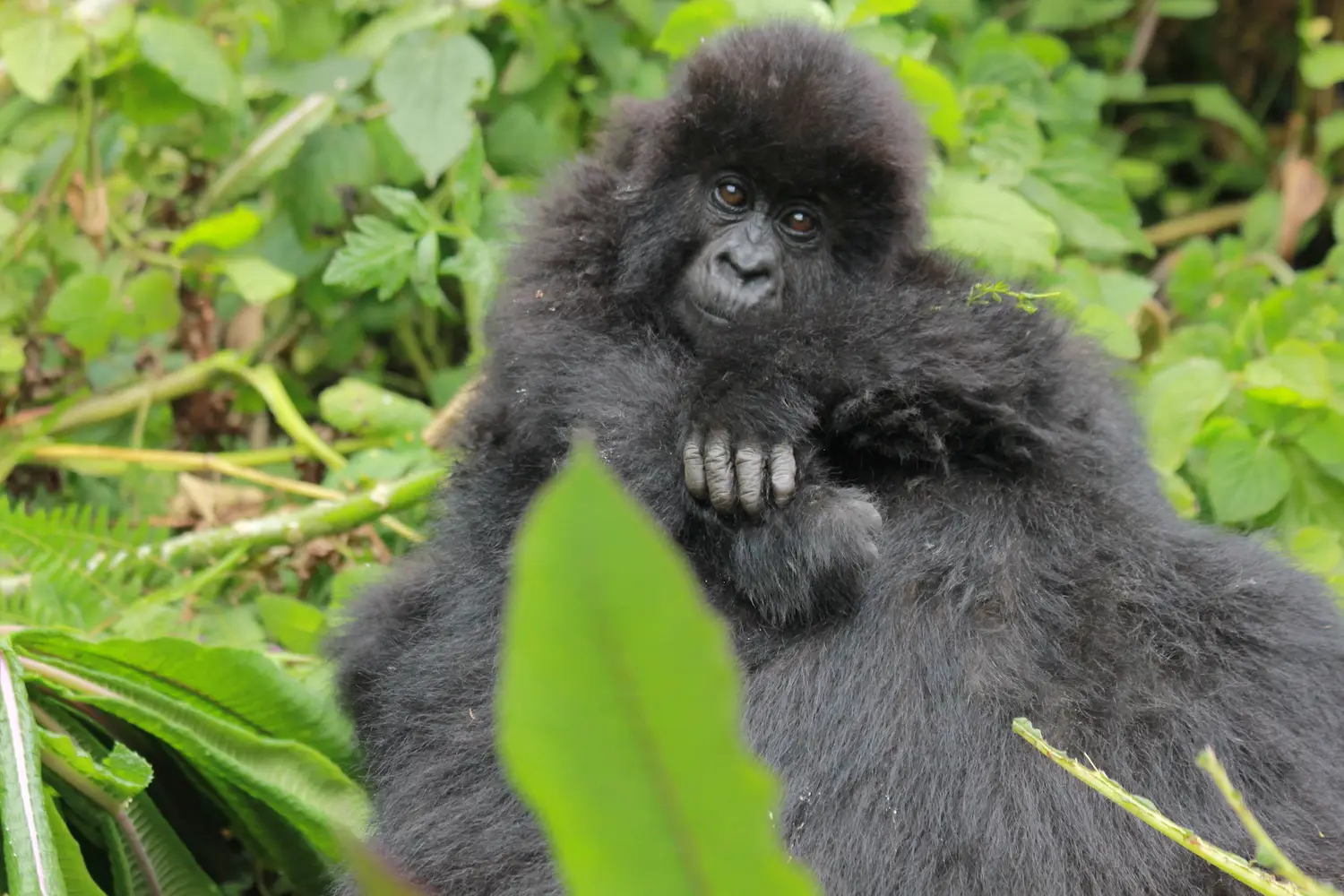
What does conservation look like when the people living closest to wildlife lead the way?
In villages bordering Rwanda’s Volcanoes National Park, the answer is taking shape. Families are launching businesses, planting crops, strengthening local leadership and creating new opportunities that improve lives while helping protect one of the world’s most important habitats for mountain gorillas.
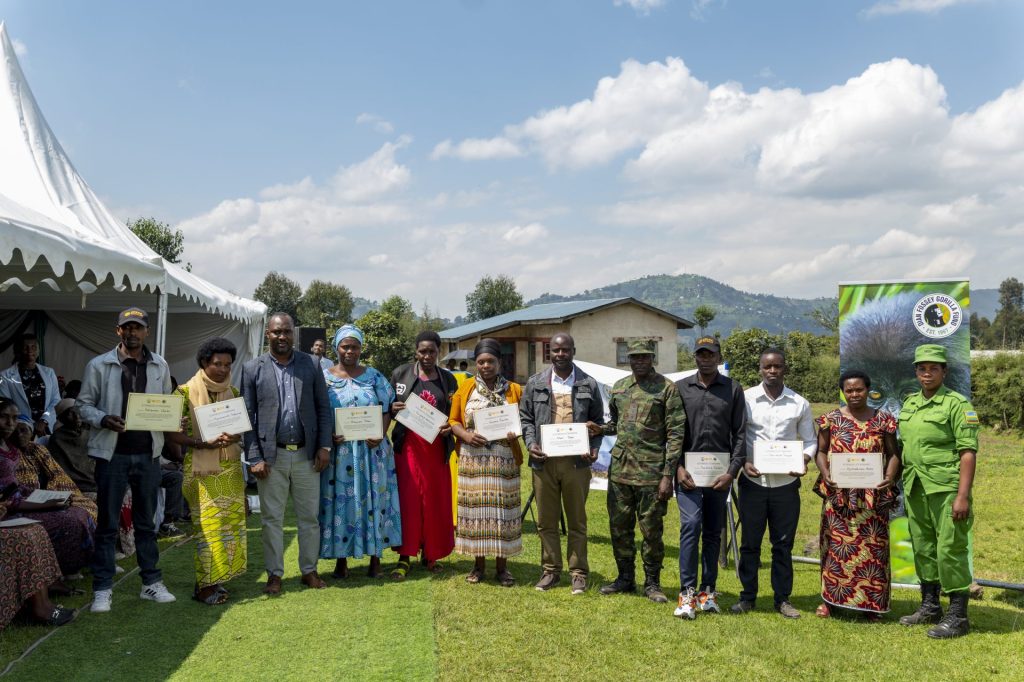
Last month marked an important milestone as the first cohort of 25 villages completed the Dian Fossey Gorilla Fund’s Village Vitality Project (VVP). But the celebration wasn’t about the end of a program – it recognized the beginning of locally driven initiatives that will continue creating opportunity long after the initial investment.
Developed in partnership with Spark Microgrants, the Village Vitality Project is built on a simple belief: the people who know their communities best are uniquely equipped to shape their own future.
Instead of arriving with predetermined solutions, the program begins with a different question: “What does your community need most?”

From Ideas to Action
The first 25 villages were selected in partnership with the local government based on several factors, including proximity to Volcanoes National Park, levels of illegal resource use in the park and indicators of poverty and malnutrition.
Over the next 22 weeks, each village met regularly to discuss its future. Guided by elected facilitators – one woman and one man from every community – residents identified shared priorities, voted on projects and developed detailed implementation plans before receiving a $10,000 microgrant to turn those plans into reality.
Together, the first cohort has:
- Included more than 7,500 households – approximately 30,000 people
- Achieved 53% participation by women
- Invested 30% of their grant funding in projects that strengthen both livelihoods and local ecosystems
Communities Designing Their Own Solutions
In Gacondo Village, residents established a savings and loans program. This community-managed lending program gives families access to affordable loans while building a revolving fund that continues to grow through modest 2% interest repayments.
For Charles Hakizimana, the loan meant expanding a poultry business. Jannet Nikuze invested in garlic production. Others launched sheep-rearing enterprises or strengthened small businesses, creating new income while building greater financial security.
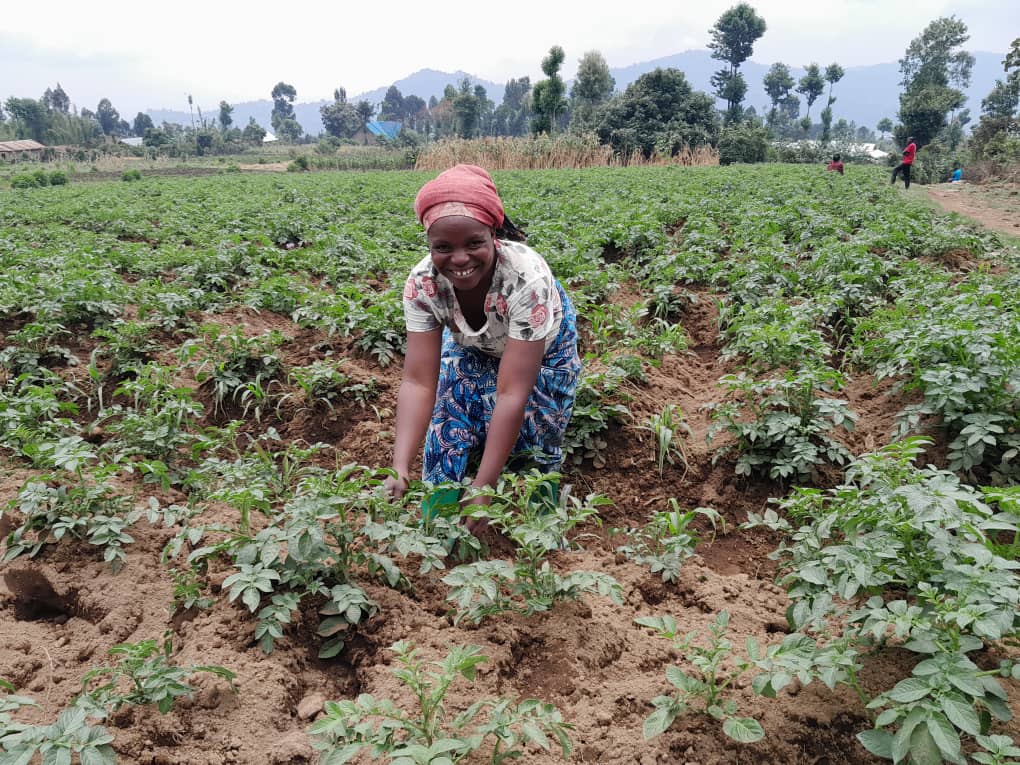
For Olive Uwingeneye, a mother of three, the loan unlocked the potential of land she already owned.
She had farmland ready to cultivate but lacked the money to purchase quality seed and fertilizer. Through the Village Capital Fund, she borrowed 200,000 Rwandan francs to plant Irish potatoes.
The harvest produced approximately 1,500 kilograms of potatoes – generating an estimated 750,000 RWF in sales. After repaying the loan, Olive expects to earn more than 500,000 RWF in profit, income she plans to reinvest in future harvests.
In Kabaya Village, residents distributed 3,475 avocado seedlings. As the trees mature, they will improve soil health, strengthen climate resilience, increase household nutrition and create new income through avocado production – all while reducing pressure on Volcanoes National Park.
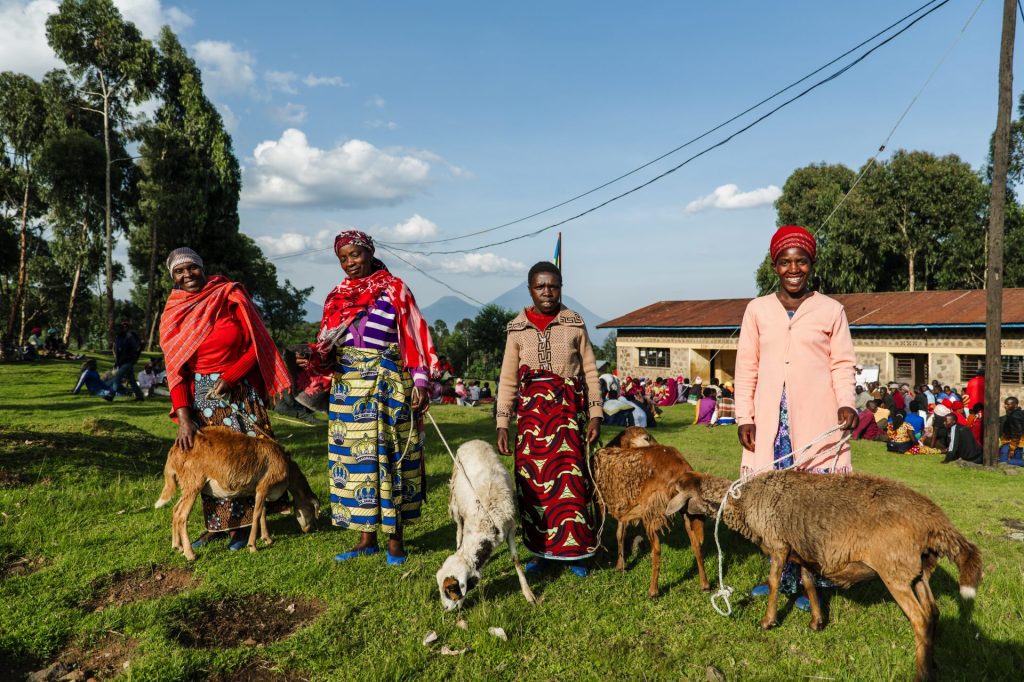
Nearby Kampande Village invested in sheep rearing. Sheep provide manure that improves crop production, contributes to household nutrition and serve as valuable financial assets.
Through the traditional practice of sharing newborn lambs with neighboring families, the benefits continue to spread throughout the community, creating a ripple effect of opportunity.
A Different Way to Support Conservation
For decades, many conservation programs have asked, “What project should we bring to this community?”
The Village Vitality Project begins with a different question: “What project would you like to create – and why?”
That shift has changed everything. The Fossey Fund’s role is not to direct development but to support it. Communities identify priorities, elect leaders, make decisions and implement projects. The Fossey Fund provides training, technical expertise, funding and connections that help those ideas succeed.
The result is more than new businesses or higher incomes. Communities have strengthened local leadership, reinforced community bylaws, expanded participation in savings groups and built stronger relationships through shared decision-making.
Investing in People Protects Gorillas
The villages participating in VVP share a border with Volcanoes National Park, where the well-being of people and wildlife are deeply connected.
When families have reliable incomes, access to financial services and opportunities to build secure futures, dependence on park resources declines. Projects that promote sustainable agriculture, agroforestry and environmental stewardship also improve the landscape surrounding critical gorilla habitat.
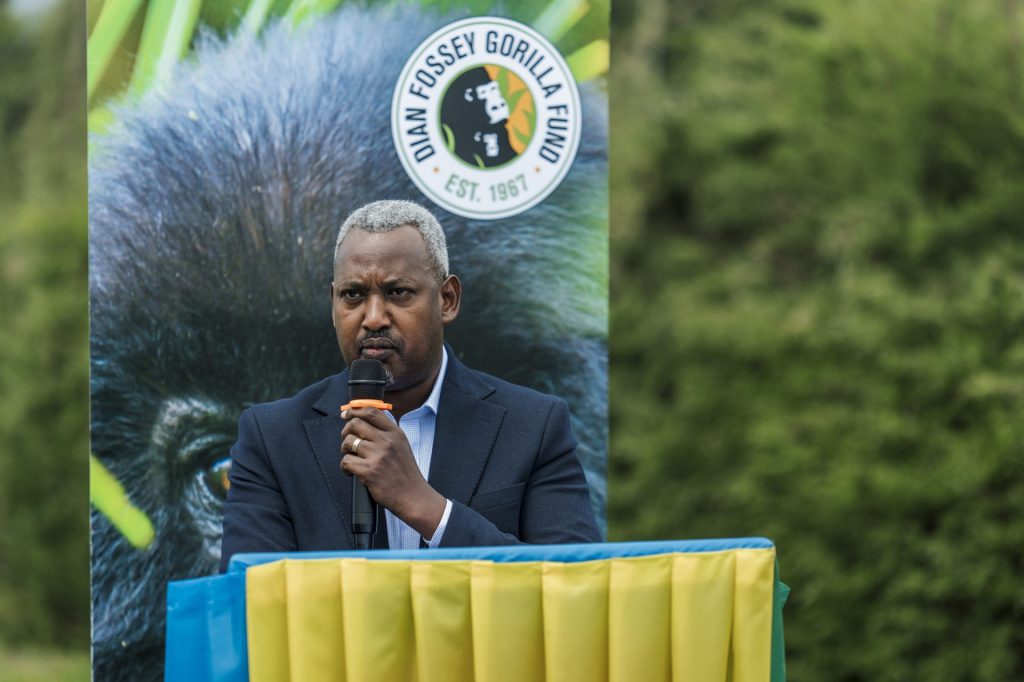
During the graduation celebration, Rwanda Development Board Head of Conservation Eugene Mutangana praised the program’s emphasis on community ownership and locally led development – recognizing that lasting conservation depends on strong partnerships with the people living closest to protected areas.
This is Only the Beginning
The success of the first cohort has already inspired the next. Late last year, we expanded the Village Vitality Project to an additional 35 villages, bringing the total to 60 communities and nearly 60,000 people.
As the program grows, so will efforts to measure its long-term impact – from household livelihoods and community resilience to environmental stewardship and conservation outcomes.
The first 25 villages have already demonstrated something powerful: when communities are trusted to lead, they don’t just improve their own futures. They help secure the future of the forests, the wildlife and the mountain gorillas that make this remarkable landscape unique.