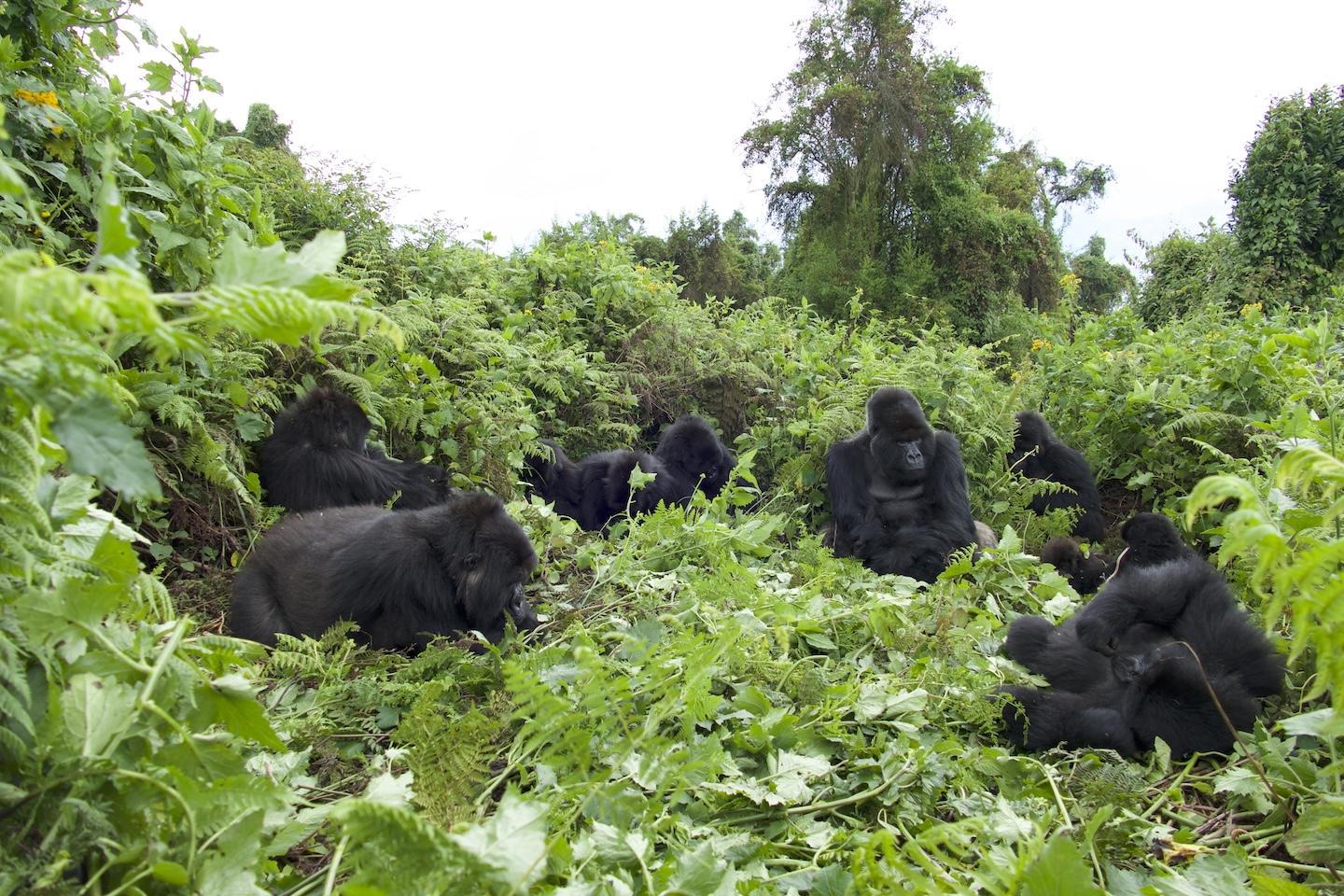
Silverback Imfura had been living in the historic Pablo group of mountain gorillas, monitored every day by our field teams in Volcanoes National Park. However, he was not the dominant silverback and, for the last two years he was instead a consistent source of disruption within the group. As a silverback holding the position of second or third in command, it was evident that Imfura, age 17, had a strong desire for a more dominant role.
Gorilla hierarchy takes time to establish
Gorilla social hierarchy is established in a gradual process and while it imposes rules it also ensures stability and protection. Imfura, however, struggled to accept a recent shift in dominance among the older silverbacks in the Pablo group, especially the growing influence of silverback Ubwuzu. For months, Imfura reacted with repeated fights that always ended with him being pushed to a marginal position. He often followed the group from a distance for days, staying on the periphery. This detached life did not reduce his ambition, however, and instead seemed to increase his determination to gain a higher rank.
When male gorillas reach sexual maturity, it is common for them to leave their natal group and live alone until they attract
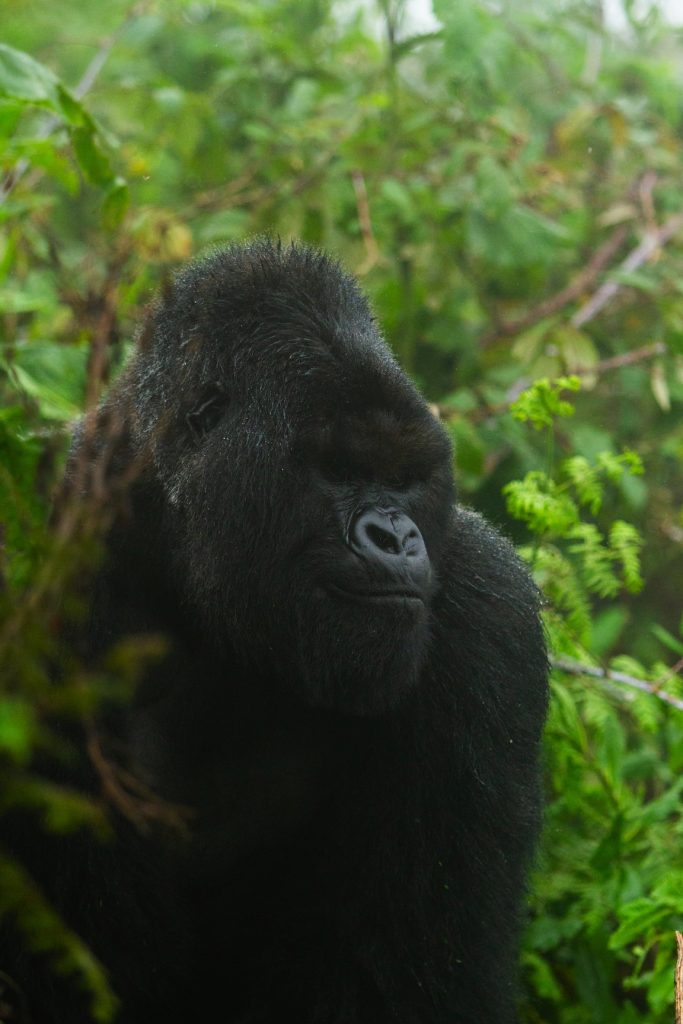
females and form a new group. Imfura, however, did not seem ready for this major step. He chose to remain in Pablo’s group, continuing to challenge others and exhibiting unusual aggressiveness. This behavior only worsened his relationships with most members of the group, yet he resisted being pushed away.
New females create turning point
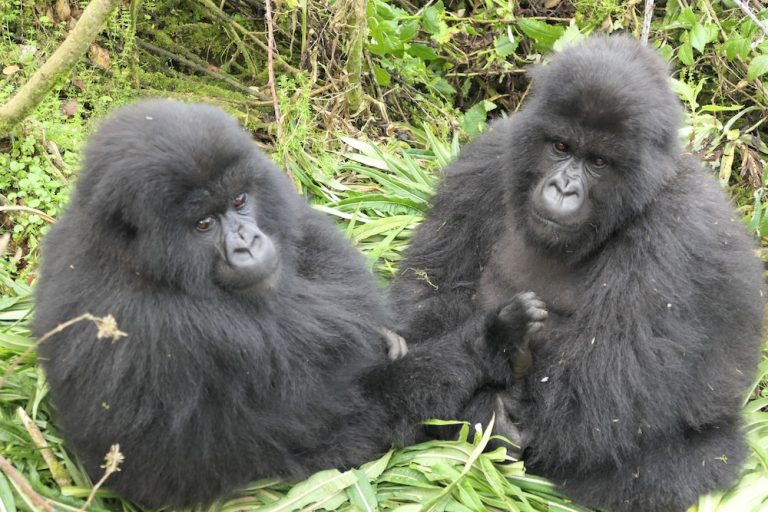
A turning point came on Oct. 11, 2025. During an interaction between the Pablo and Musilikale groups, a 10-year-old female, Umwiza, transferred to Pablo’s group. The next day, another female, 8-year-old, Urungano, also joined, while the two groups were still in close proximity. Both Umwiza and Urungano were at the age when females may choose to leave their natal group. Females typically reach reproductive maturity around age 8, and transferring to a new group helps prevent breeding between close relatives while supporting genetic diversity within the population.
Umwiza had given birth to her first infant in March, but sadly the infant died only a few weeks later, due to a respiratory illness. Umwiza was visibly affected by the loss and continued to carry the body of her infant, a well-documented sign of mourning among gorillas. Her decision to transfer groups was very likely connected to this loss. Urungano, though younger and not yet reproductively mature, also took an important developmental step with her transfer.
With the arrival of these two females, Imfura saw the opportunity he had been seeking. He moved close to the new females and soon led them away from Pablo’s group, forming a new independent group of his own.
Relief for Pablo group members
The departure of these two females could be interpreted as a loss for Pablo’s group, but in this case, it may have brought relief. Imfura’s disruptive presence had created tension for a long time, and his departure seemed to be the best outcome for everyone.
Imfura was at the perfect age to establish his own group and reach his long-pursued goal. But he would need to demonstrate his leadership skills, maintaining calm and stability for the group. Since his recent behavior had been quite temperamental, would he be up to the task of leading his own group? We thought he might, since we had often observed silverbacks become calmer and more balanced once they take command.
Unexpected changes continue
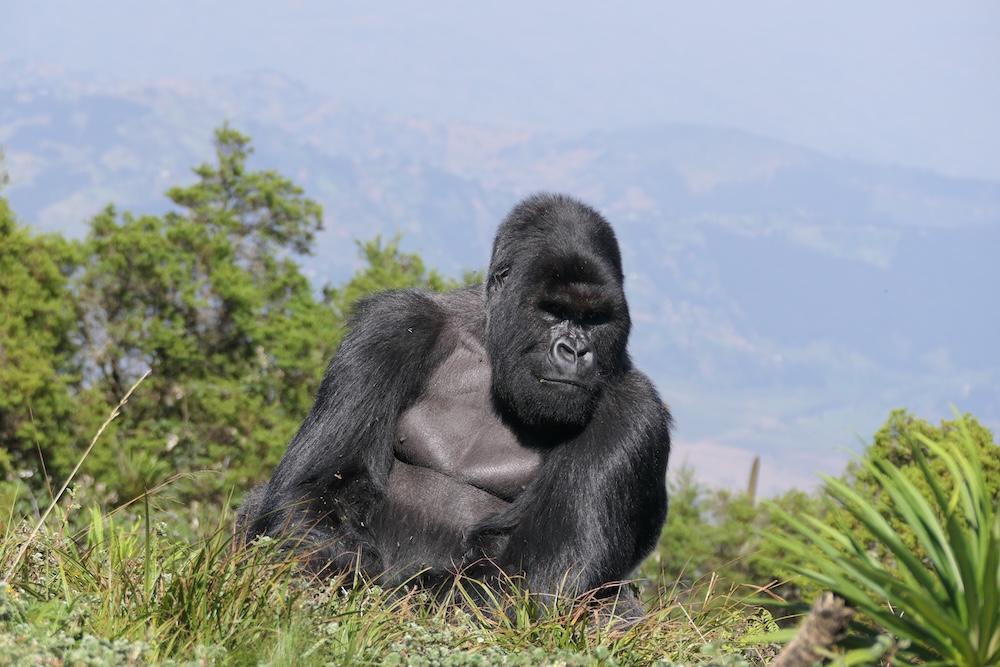
Unfortunately, instead of showing confidence and ensuring stability, Imfura had his little group moving constantly, an understandable method to avoid other groups and the possible transfer of his females. But this apparently weakened their trust, which is essential for social cohesion. So, on Nov. 30, when the Pablo group was nearby, the two females took
the chance to rejoin the group. And Imfura was left alone.
Umwiza and Urungano were quickly accepted back into the Pablo group, where the dominant silverback Ubwuzu showed his strength with several loud displays. This group was clearly a more stable choice for these females.
In this process involving Imfura, the group lost a troublesome male and gained two young females. So, it is a promising time for the Pablo group and the 22 gorillas it now includes.
Still, we know how dynamic gorilla social life is, so what comes next for this group is yet to be determined. We expect Imfura will not give up on his ambitions, though it is unlikely he will be accepted back into Pablo’s group. Will he try to rejoin, or will he go it alone for a while?
In either case, this latest drama has been another great occasion to gain new insight into the development of the most iconic and long-studied Pablo gorilla family. Observing them for many decades has taught us so much about the extraordinary social life of gorillas and we always look forward to the next chapter.
This article is part of a series presented by the Fossey Fund’s gorilla program Senior Advisor Veronica Vecellio, focusing on the mountain gorillas the Fossey Fund protects and studies every day in Rwanda. Veronica has worked with these gorilla families for more than 20 years and shares her deep knowledge and insights about their lives.