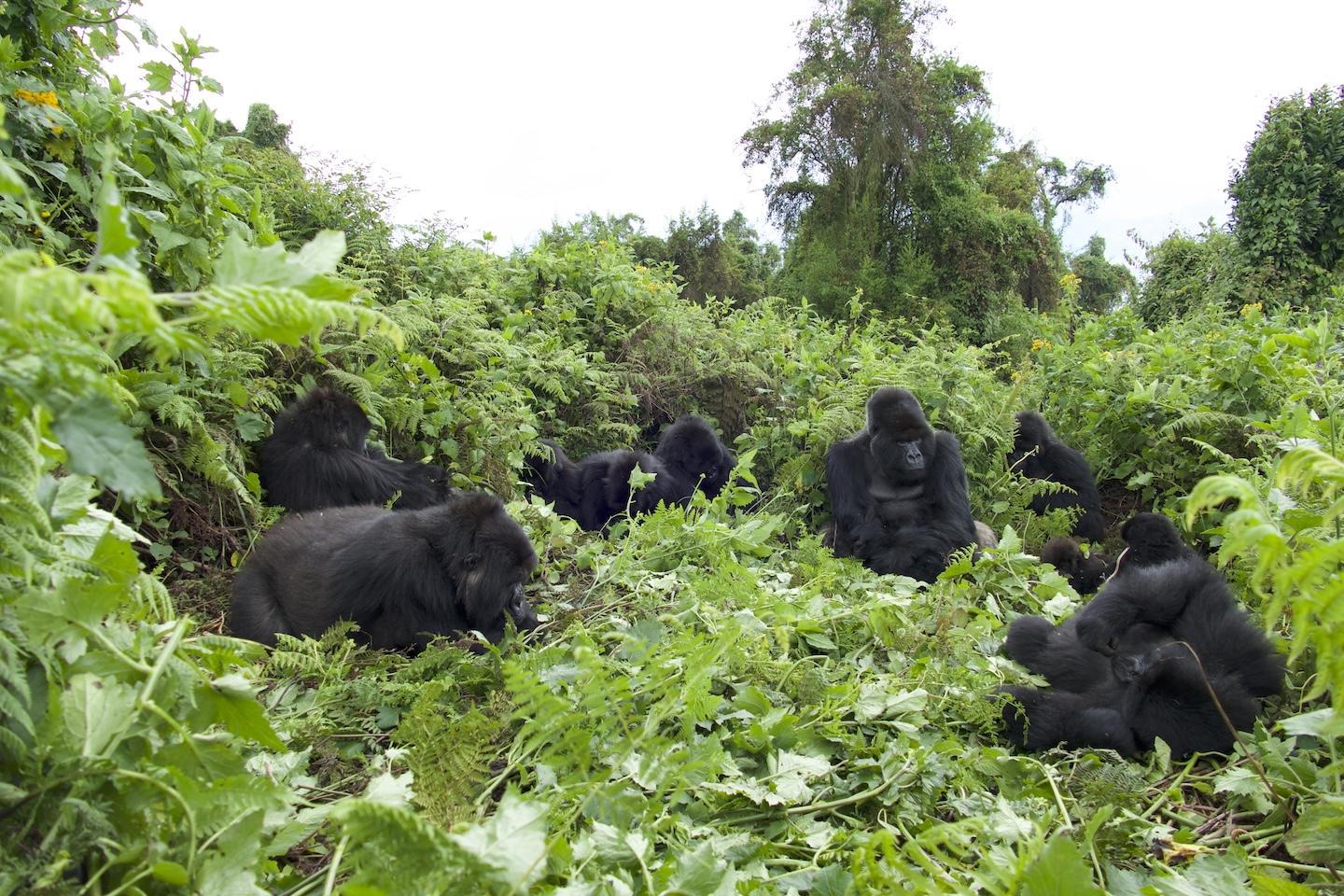
Formed in 1993 by the powerful silverback Pablo, the legendary Pablo mountain gorilla group is deeply woven into the history of the Fossey Fund. With roots tracing back to Dian Fossey and her pioneering work with the iconic Group 5, this remarkable family has been continuously monitored by our teams since its very beginning—offering an unbroken window into decades of gorilla behavior, resilience and change.
And now this extraordinary group is about to step into the global spotlight—as they’re featured in the upcoming Netflix documentary A Gorilla Story: Told by David Attenborough. Their story and what makes them so compelling is only just beginning to unfold.
Who’s in the Pablo group?
Jump to a gorilla to learn their story:
Pablo | Gicurasi | Ubwuzu | Imfura | Teta | Inyange | Ubusugire
Silverback Pablo
Date of Birth: August 1974
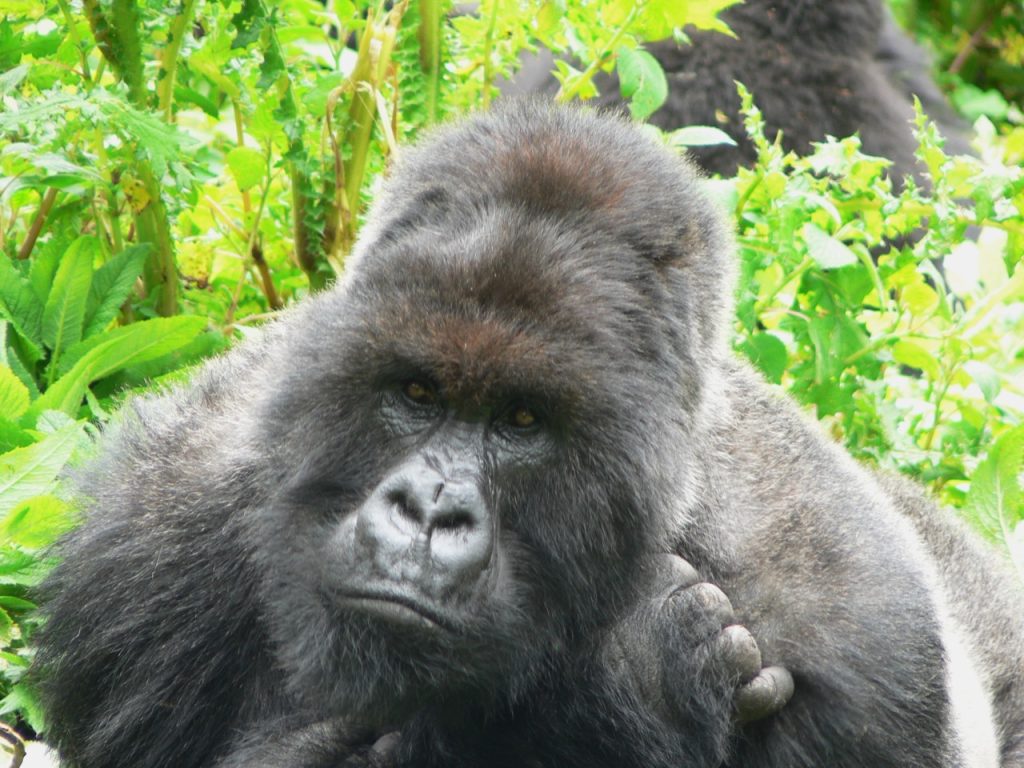
Mountain gorilla Pablo was born in Group 5, one of the main gorilla families observed and studied by Dian Fossey starting in the late 1960s. Fossey developed a special affection for the young Pablo, describing his infectious sense of play and his ability to draw other youngsters into his games – an early signal of the charisma he would later bring to his own family.
In observing Pablo as a juvenile, Fossey wrote: “For Pablo, rules were made to be broken, observers were meant to be entertained, and familial group members were created for his own enjoyment….”
However, when he was only 4 years old and newly weaned, Pablo’s mother – Liza – transferred to another group. Silverback Beethoven then took over much of Pablo’s care, leading the large group until he died in 1985. His son Ziz then took over leadership of this large group until his death in 1993.
The death of Ziz triggered the division of Group 5, which at that time included around 40 individuals. The split resulted in two main parties, one led by Pablo – a mature silverback – and one led by silverback Shinda, composed of 20 and 17 gorillas respectively.
A special legacy
Pablo will be remembered as an iconic silverback with a powerful and enduring personality. His role in shaping the stability and growth of his group was fundamental, not only as its first leader but also as a key partner in one of the most remarkable multi-male alliances ever documented.
The alliance between Pablo and Cantsbee highlights a distinctive feature of mountain gorillas. Unlike other gorilla subspecies, which typically form single-male groups, mountain gorillas often live in multi-male groups. This social structure has proven highly successful in promoting group longevity and stability. A second male can support group defense, reduce losses during conflicts, and assume leadership if the dominant male dies. However, for peaceful coexistence among males to persist, clear hierarchies and stable alliances are essential. Pablo’s life offers a powerful example of how such alliances can shape the long term success of a gorilla family.
Silverback Gicurasi
Date of Birth: May 1995
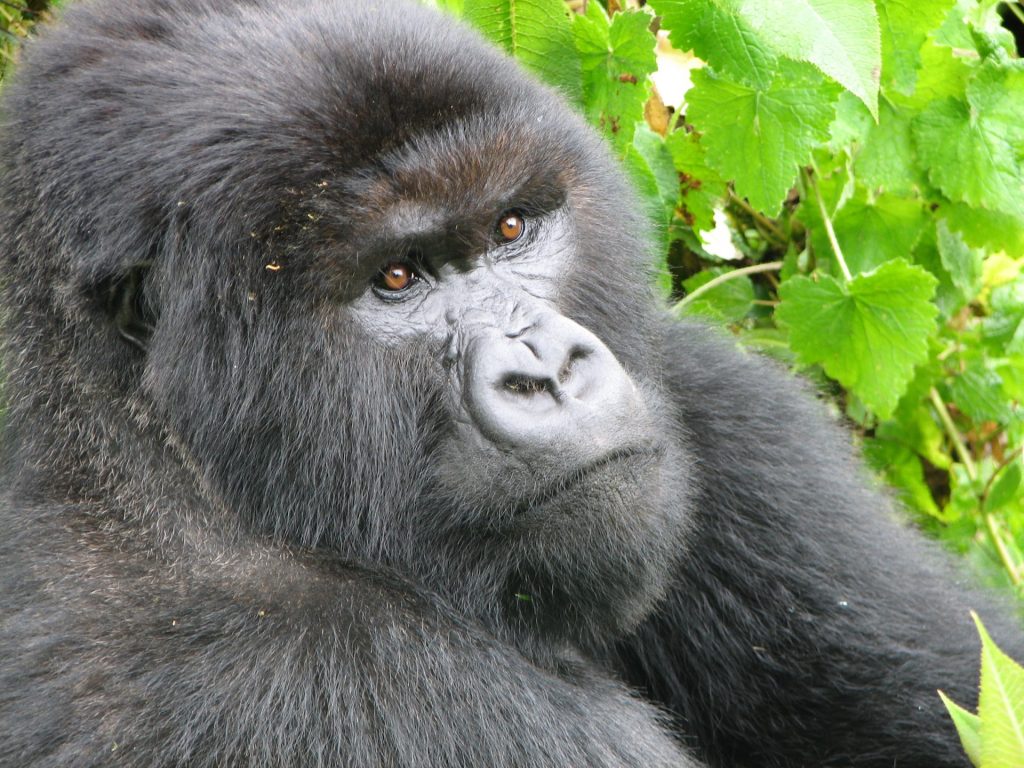
Gicurasi represents the rich history and significant changes the historic Pablo group has experienced as well as a unique perspective on silverback dominance shifts, as he was personally involved in two such situations.
Girucasi’s childhood was marked by significant challenges. He lost his mother, Pantsy, before he reached 4 years old, an early loss that greatly impacted his life. He developed a strong bond with his father, the legendary silverback Cantsbee, who supported him through this difficult period. Their close relationship later contributed to a smooth transition of dominance from father to son, toward the end of Cantsbee’s life.
Life as a leader
After his father’s death, Gicurasi faced significant responsibility as the group’s leader. Interestingly, none of the other adult males immediately challenged his authority, showing their respect and acceptance of his leadership. But after just two months, some individuals left, forming another group, and a year later another split significantly reduced the group’s size from 32 gorillas to 20. This reduction left Gicurasi’s role as leader more manageable, and the Pablo group faced a new era with him.
Throughout these changes, Gicurasi demonstrated exceptional adaptability and a peaceful demeanor. His willingness to accept these changes without resistance made him a stabilizing presence within the group. This quality was particularly valued by the females and younger gorillas, who frequently chose to rest near him.
Silverback Ubwuzu
Date of Birth: November 2005
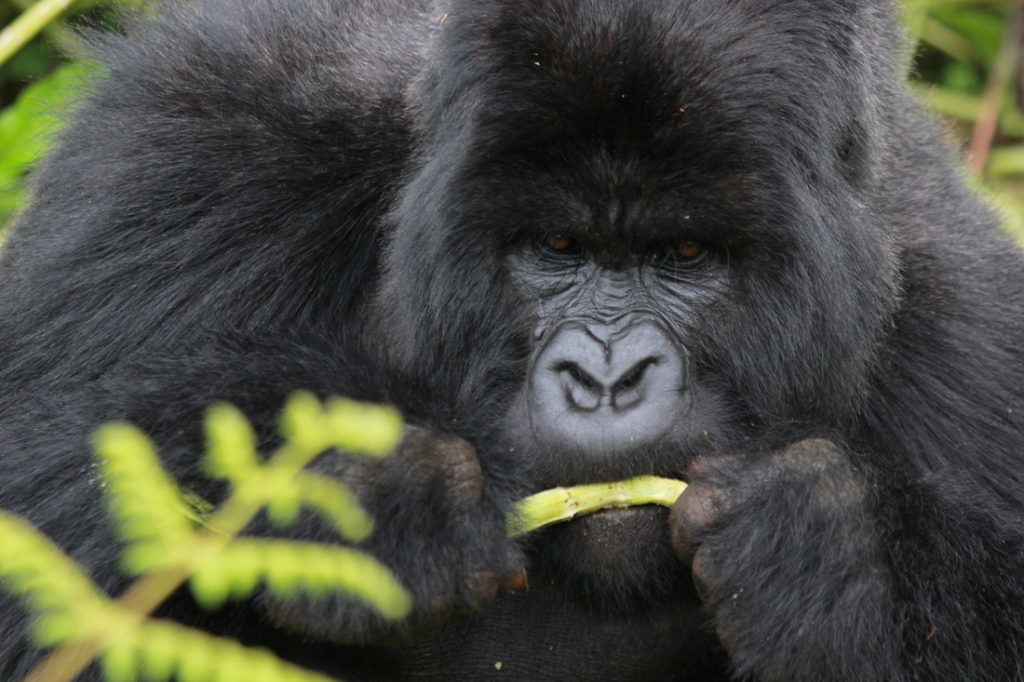
Ubwuzu is the current dominant silverback of the Pablo group. He became dominant in 2023, after a long and gradual process of challenging the former leader, elderly silverback Gicurasi.
Ubwuzu showed strong determination and used different strategies, including physical fights, to gain dominance. Gicurasi, who was known for his calm temperament and maturity, eventually accepted the change and withdrew into a subordinate role as Ubwuzu’s ally.
Early life challenges
From a very young age, his life was marked by major challenges. At just 1 year of age, he survived a severe respiratory outbreak that affected many of the gorillas in Pablo’s group. Ubwuzu was close to death, and several group members did not survive. This early experience showed his strong resilience.
He was born and raised during the leadership of the legendary silverback Cantsbee. In Ubwuzu’s early life, the group reached its largest size of 65 gorillas in 2006. After that peak, the group entered a long phase of declining numbers. Growing up during these difficult years shaped Ubwuzu’s character: instead of weakening him, the challenges made him stronger. As he matured, he developed a very active and assertive temperament, a trait that still defines him as an adult.
In 2017, the group suffered a major loss with the death of Cantsbee, the longest-serving dominant silverback. Leadership then passed to Cantsbee’s son, Gicurasi. Ubwuzu had grown up under Cantsbee’s leadership and spent much time near him, forming an important bond. Later genetic studies revealed that Ubwuzu’s biological father was Isabukuru, Cantsbee’s brother. But Cantsbee remained a key figure during Ubwuzu’s development and his true role model.
Another profound loss came soon after Cantsbee’s death, in 2018, when Ubwuzu’s mother Mitimbili died. Ubwuzu was very close to her, as were his two brothers, Tebuka and Isooko. The family was tightly bonded, also supported by their grandmother, Mukecuru. After Mitimbili’s death, Mukecuru played an important role in caring for the males. In 2021, a group split separated Mukecuru and Isooko from the group. Since then, Ubwuzu has remained with his brother Tebuka.
Growing ambitions
At the end of 2022, Ubwuzu’s challenge to Gicurasi surprised many because of his younger age and because Gicurasi had never been a threatening leader. It is believed that Ubwuzu’s growing ambition was linked to Gicurasi’s gradual health decline. Gicurasi disappeared from his group in the spring of 2025, and is now presumed to have died.
Under Ubwuzu’s leadership, the group has shown clear signs of recovery. The group has grown from 18 gorillas at the end of 2022 to 22 gorillas in 2026. This growth includes the birth of three infants, believed to be sired by Ubwuzu, and the successful transfer of two adult females.
Silverback Imfura
Date of Birth: November 2008
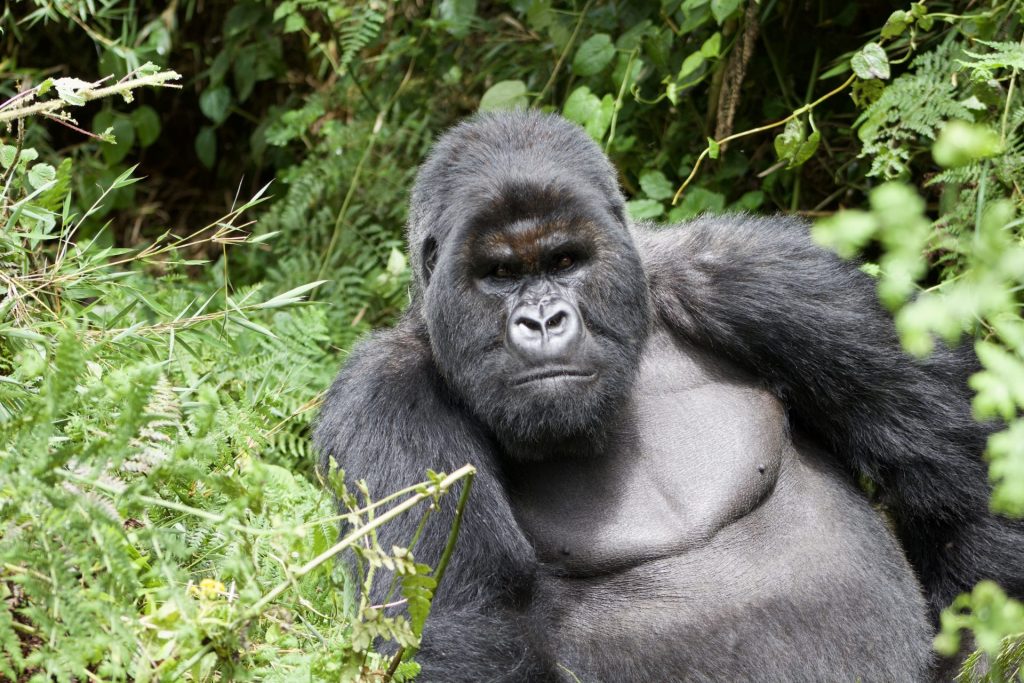
Imfura was born in Pablo’s group. As a young gorilla, he was joyful and well-integrated in one of the most cohesive maternal families within the group. His mother and grandmother were highly respected females, and their offspring formed a strong and united line, offering stability and social power. Imfura grew up surrounded by protection, playmates and close family bonds.
At the age of 2, he faced a major life challenge and traumatic event – becoming entrapped in a poacher’s snare. Gicurasi, who was dominant at that time, charged repeatedly at anyone trying to approach, thus delaying the intervention needed to free Imfura, so for several days, Imfura carried part of the rope attached to his body.
Imfura then experienced further loss, with the death of his grandmother and mother, while he was still an immature male.
By the time he reached his mid-teens and became a silverback, Imfura had become a consistent source of disruption within the Pablo group and was ultimately detrimental to the group’s safety and unity. With his ranking of second or third in command, it was evident that Imfura had a strong desire for a more dominant role.
Imfura makes his moves
A turning point came on Oct. 11, 2025. During an interaction between Pablo’s and Musilikale’s groups, 10-year-old female Umwiza and 8-year-old female Urungano, transferred to Pablo’s group. With their arrival, Imfura saw the opportunity he had been seeking. He moved close to the new females and soon led them away from Pablo’s group, forming a new independent group of his own.
Imfura was at the perfect age to establish his own group. But he would need to demonstrate his leadership skills, maintaining calm and stability for the group. Unfortunately, Imfura instead had his little group moving constantly, possibly to avoid other groups and the transfer of his females. But this only weakened their trust.
So, on Nov. 30, 2025, when the Pablo group was nearby, the two females took the chance to rejoin that group. And Imfura was left alone. The Pablo group thus lost this troublesome male and gained two young, promising females, while also welcoming a newborn. As for Imfura, his future should prove interesting!
Female Teta
Date of Birth: August 2009
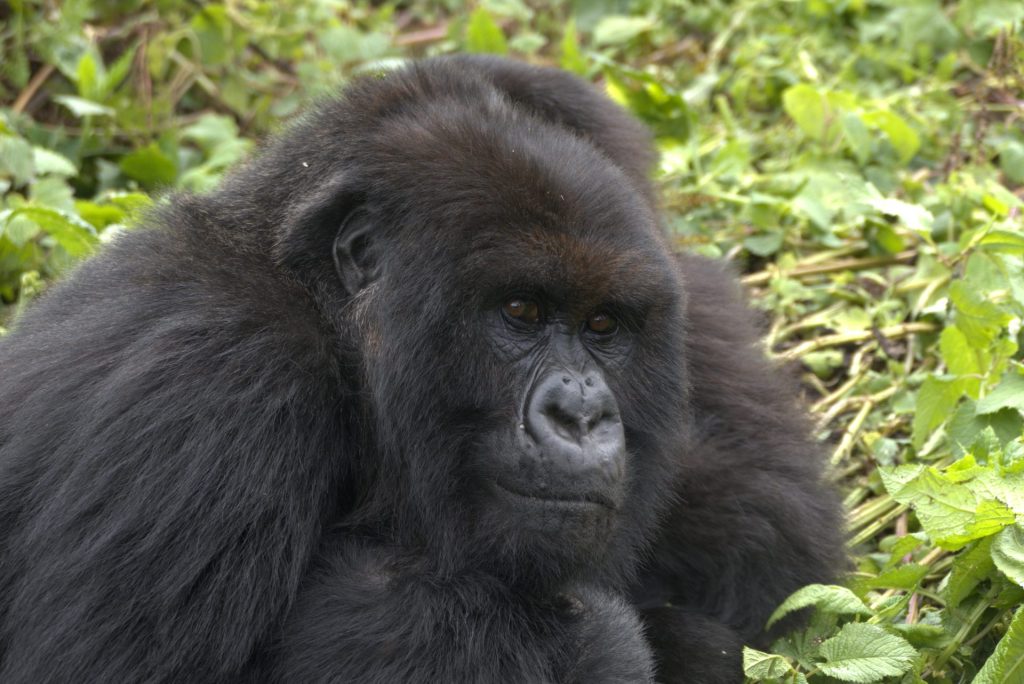
Teta was born and raised in the Pablo group and she still lives there today, showing uncommon stability for a female gorilla. Decades of observation have shown that most females leave their natal group once they reach maturity, primarily to avoid mating with close relatives.
While unusual, Teta’s decision to stay put is not unique within Pablo’s group. This group has the highest number of females who remained in their natal group. This uncommon pattern is probably linked to two major shifts in male dominance that occurred while these females were still young. The changes in leadership likely reduced the risk of mating with a very close relative, such as a father.
Teta’s mother, Mudakama, is 40 years old and one of the oldest gorillas monitored by the Fossey Fund. In 2017, when Teta was 8 years old, Mudakama left Pablo’s group during a major group split that followed the death of dominant silverback Cantsbee. Initially, Teta followed her mother, along with her younger brother Abasore, who was just 4 years old at the time. Yet after only a couple of months, Teta made a clear decision: she returned to Pablo’s group.
Even more surprisingly, Abasore also rejoined Pablo’s group, though not until two years later. Teta’s presence may have played an important role in his decision to return. Today, he is an important support figure and close ally for Teta, reinforcing her strong sense of family and social security within the group.
Teta's strong social bonds
Teta’s strong social cohesion is evident in many of her relationships, but one bond was particularly significant. She shared a close relationship with the silverback Gicurasi, who disappeared in 2025, likely related to declining health after losing his dominant position to the younger Ubwuzu.
Teta and Gicurasi were often observed moving, resting and feeding side by side. Teta’s first infant, Umukuru, born in January 2019, is likely the result of this union.
Teta has given birth to three offspring, each about three years apart. After Umukuru, she had Mukundwa in October 2022, followed by her most recent infant in November 2025. All three are females. This reproductive success, combined with strong relationships with high-ranking silverbacks Gicurasi and Ubwuzu, have given Teta a high status in the group despite her relatively young age.
During resting periods, Teta is often found at the center of the group, surrounded by her daughters and other group members. Both Umukuru and Mukundwa became independent early. While they still return to their mother for comfort, they also interact confidently with others.
All three current silverbacks show a calm and protective attitude toward Teta and her offspring. Ubwuzu, the dominant silverback, often sits close to her, as does her brother Abasore. Females immigrating into the group also show respect toward Teta, recognizing her as an ideal ally during their transition.
Teta is easy to recognize thanks to her distinctive noseprint, marked by three small dots above her nostrils. She has long attracted the attention of field staff and researchers, not only because of her pretty face, but especially because of her calm, kind and gentle nature. She is rarely involved in conflict or competition.
Teta is a powerful example of how a peaceful personality can be a true advantage in gorilla society. Her quiet strength has helped make her one of the most central and beloved individuals in Pablo’s group.
Inyange
Date of Birth: September 2016
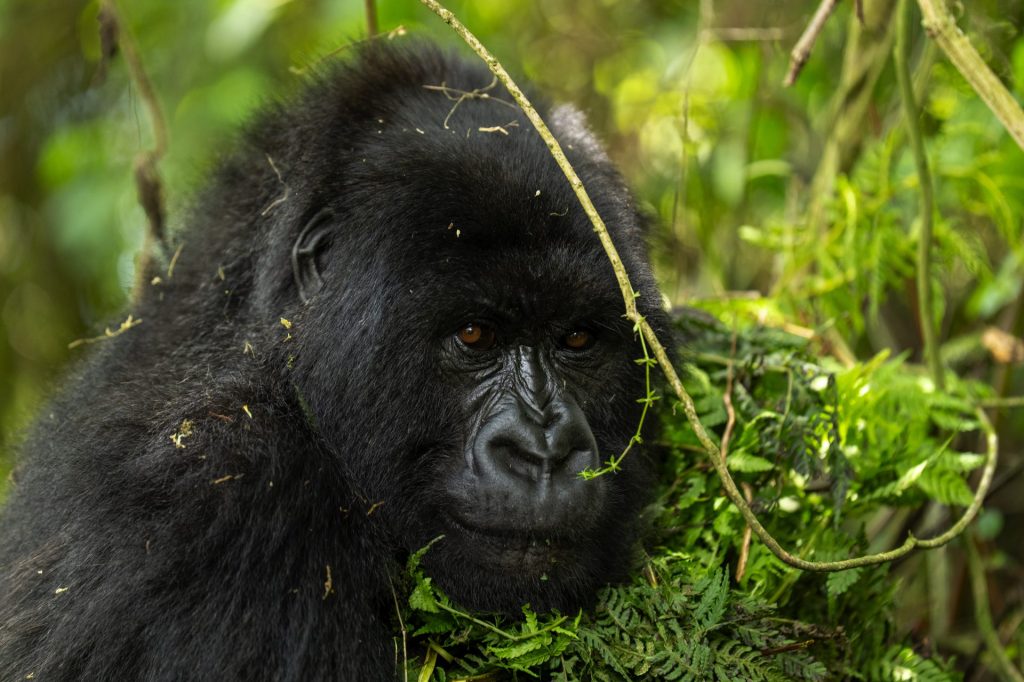
Inyange is a 9-year-old female whose young life has already been marked by important and emotional events. From an early age, she experienced change, loss and resilience. Her story reflects both the vulnerability and the strength of young female gorillas.
On Dec. 10, 2022, when she was just 6 years old, Inyange made an unexpected move. During an interaction between groups, she left her natal group and joined the Pablo group. For such a young female, this was unusual: at that age, females are still growing and learning, and transfers usually don’t happen until they are older. However, her arrival immediately showed a positive outcome.
A welcoming transfer to Pablo's group
Because of her young age, the adult females in the Pablo group did not see her as competition. Instead, she was welcomed. Teta, the high-ranking female in the group, played a key role in her integration, accepting Inyange and helping to build trust with the rest of the group. In gorilla society, social bonds are essential, and the support of a respected female can make a big difference for a newcomer.
Her arrival also happened during a delicate moment in the male hierarchy. At that time, Gicurasi was the recognized dominant silverback. He did not show particular sexual interest in Inyange, most likely because she was still very young. In contrast, younger males showed more interest in her, placing her at the center of attention but without serious conflict. The overall situation remained calm, allowing her to settle in safely.
It is possible that Inyange’s transfer was influenced by the premature loss of her mother, Ingufu. Losing a mother at a young age is a major event in a gorilla’s life. Mothers provide protection, social support and knowledge. Moving to a new group may have offered Inyange better conditions and stronger support for her development. And interestingly, a 14-year-old in the group is actually a maternal aunt of Inyange’s.
Inyange’s transfer proved positive for her health. When she first arrived in Pablo’s group, she appeared small and underweight. Within a few months, her body condition improved. She gained weight, her size increased, and her overall appearance became stronger and healthier. This visible change reflected improved nutrition and stability.
Challenges
Unfortunately, Inyange’s reproductive history began in a dramatic and painful way, as her first two infants died due to injuries caused by silverback Imfura.
These losses deeply affected Inyange. After each death, she carried the body of her infant for days, even grooming the corpse. This behavior shows the strong maternal bond that exists in gorillas.
Despite these traumatic experiences, Inyange is now thriving. She often stays close to other females, which seems to give her comfort and stability. Social bonds remain her safe place. Meanwhile, Imfura has now left the group and is living a solitary life.
A brighter future ahead
At 9 years old, Inyange is younger than the average age at which female gorillas give birth, so she still has many years ahead to raise successful offspring. She has even practiced her maternal skills by interacting gently with infants in the group, showing care and patience. There is no doubt she will be a capable mother.
At the end of 2025, two new young females joined the Pablo group. Inyange was among those who welcomed them warmly, helping their integration proceed smoothly, just as others once did for her. We hope that these three young females will build a strong alliance in the future. Such bonds are important, especially when raising infants.
Juvenile Male Ubusugire (Ubi)
Date of Birth: January 2021
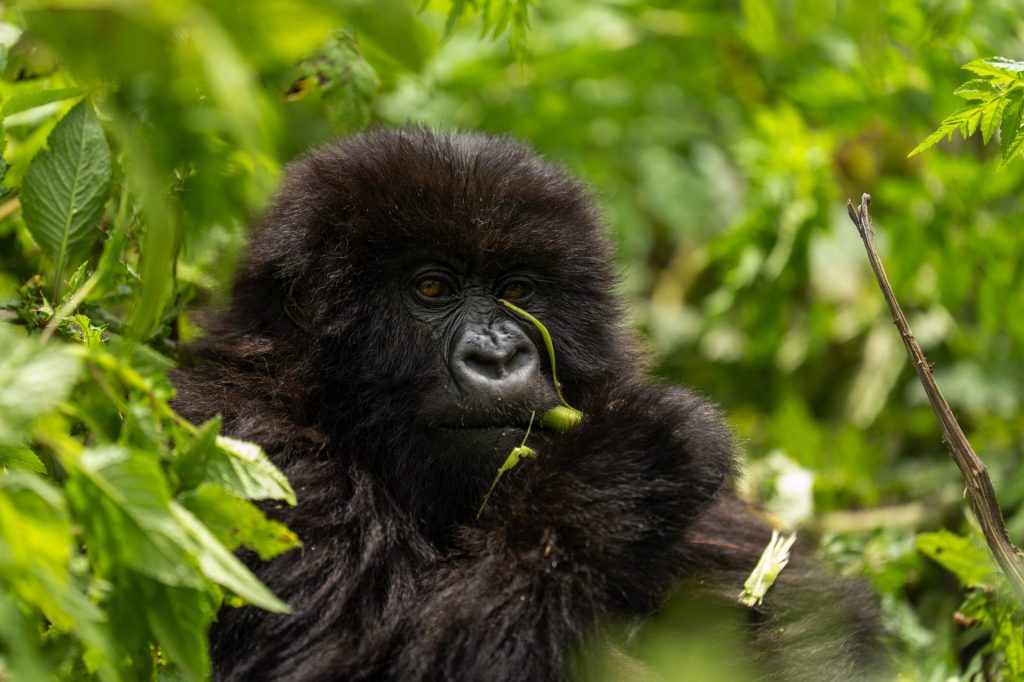
The joyful spirit of Pablo’s group truly comes alive with young male Ubusugire, known to everyone as “Ubi.” He turned 4 years old in January 2026, and already has a big personality that is impossible to ignore.
Play is essential in gorilla development. Through play, young gorillas learn motor skills, social rules and self control. Normally, juveniles choose peers of similar age and size as playmates. Ubi, however, has been different. He has a tendency to make friends with older gorillas, especially the adult males of the group.
Ubi is all about play time!
Play is essential in gorilla development. Through play, young gorillas learn motor skills, social rules and self control. Normally, juveniles choose peers of similar age and size as playmates. Ubi, however, has been different. He has a tendency to make friends with older gorillas, especially the adult males of the group.
The most surprising bond he formed was with silverback Imfura, the third-ranking silverback in the group and often the most isolated of the males. At first glance, this seemed like a strange combination: a powerful adult silverback and a small, energetic infant would not seem like a natural match. Yet Ubi did not hesitate and approached Imfura with confidence and joy.
Their play sessions became some of the most captivating moments observed in the group and remained peaceful. Ubi was never caught in the middle of male competition or physical conflict. The dynamics among the adult males reshaped the male hierarchy and ultimately defeated Imfura. Yet, Ubi has remained safe.
At the end of 2025, Imfura left the group and began a solitary life. This departure was important for the stability of the group, but for Ubi it was likely perceived as a loss. Still, his spirit did not fade: Ubi quickly redirected his energy and became close to the new dominant silverback, Ubwuzu. The similarity in their names is almost symbolic. Ubi and Ubwuzu formed a remarkable connection, showing again Ubi’s ability to bond across generations.
Ubi loves time with mom
Ubi remains very close to his mother, Gwira, the most important adult in his life. At 14 years old, she is still young and strong enough to manage her energetic son. When Ubi is calm and not seeking play, he enjoys long grooming sessions from his mother. It’s not easy with such an active juvenile, but Gwira is patient, firm and strong enough to hold him gently in place.
Another key figure in Ubi’s life is 10-year-old Gasizi, Gwira’s brother. They share an adventurous nature and often explore together. Also in the group are two other juveniles, Kira and Uwacu. Becoming independent from their mothers is easier when peers like these are present, as together they can build confidence and social skills.
So it is that play takes many forms in Ubi’s life. When with large silverbacks, he is lifted, dragged, tickled and gently pulled. It’s very physical, but safe. When he plays with peers of similar size, the style becomes more intense. They swing from vines, chasing each other in long runs, wrestling and rolling on the ground over and over again.
Celebrate the Legacy of the Pablo Group
Pablo and his family helped shape decades of mountain gorilla conservation—and their impact continues today. Join us in honoring their legacy—new opportunities to support and share their story are coming soon.