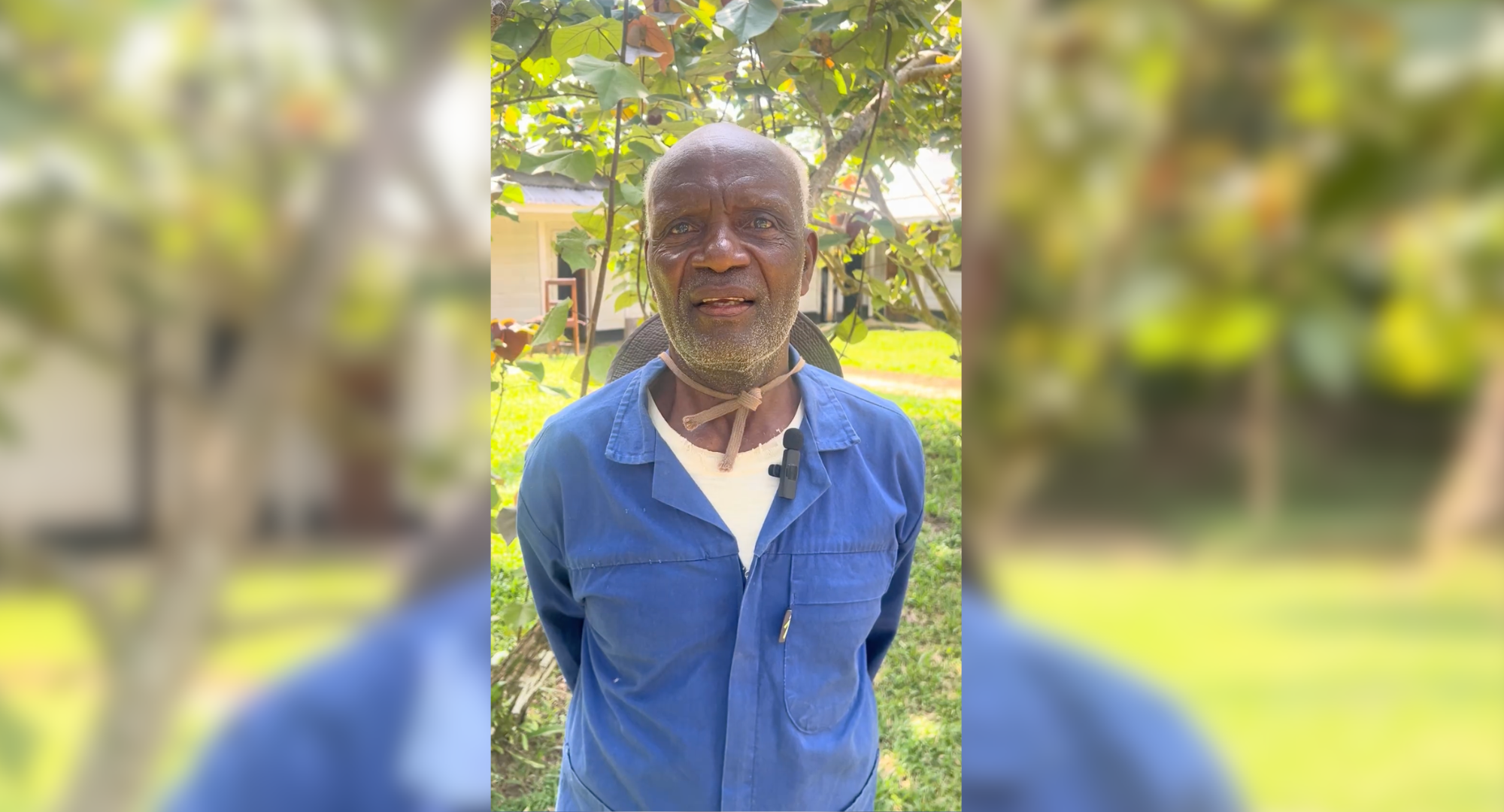
For 140 children living near the Fossey Fund’s Nkuba Conservation Area in the Democratic Republic of the Congo (DRC), summer break offered more than a break from school. It was an opportunity to explore the forest around them, discover the wildlife it supports and learn how they can help protect it.
In August, the Dian Fossey Gorilla Fund brought together students from two primary schools in Nkuba and Biruwe, villages neighboring the Nkuba Conservation Area, where we work to protect Grauer’s gorillas and their forest habitat. Through interactive lessons, cultural activities and a forest field trip, the children explored the biodiversity of their region and learned why protecting it matters for wildlife and the people who depend on healthy ecosystems.
The program is part of the Fossey Fund’s broader commitment to conservation in the DRC, where protecting endangered gorillas goes hand in hand with engaging local communities and supporting the next generation of conservationists.
Learning About Gorillas, Forests and Biodiversity
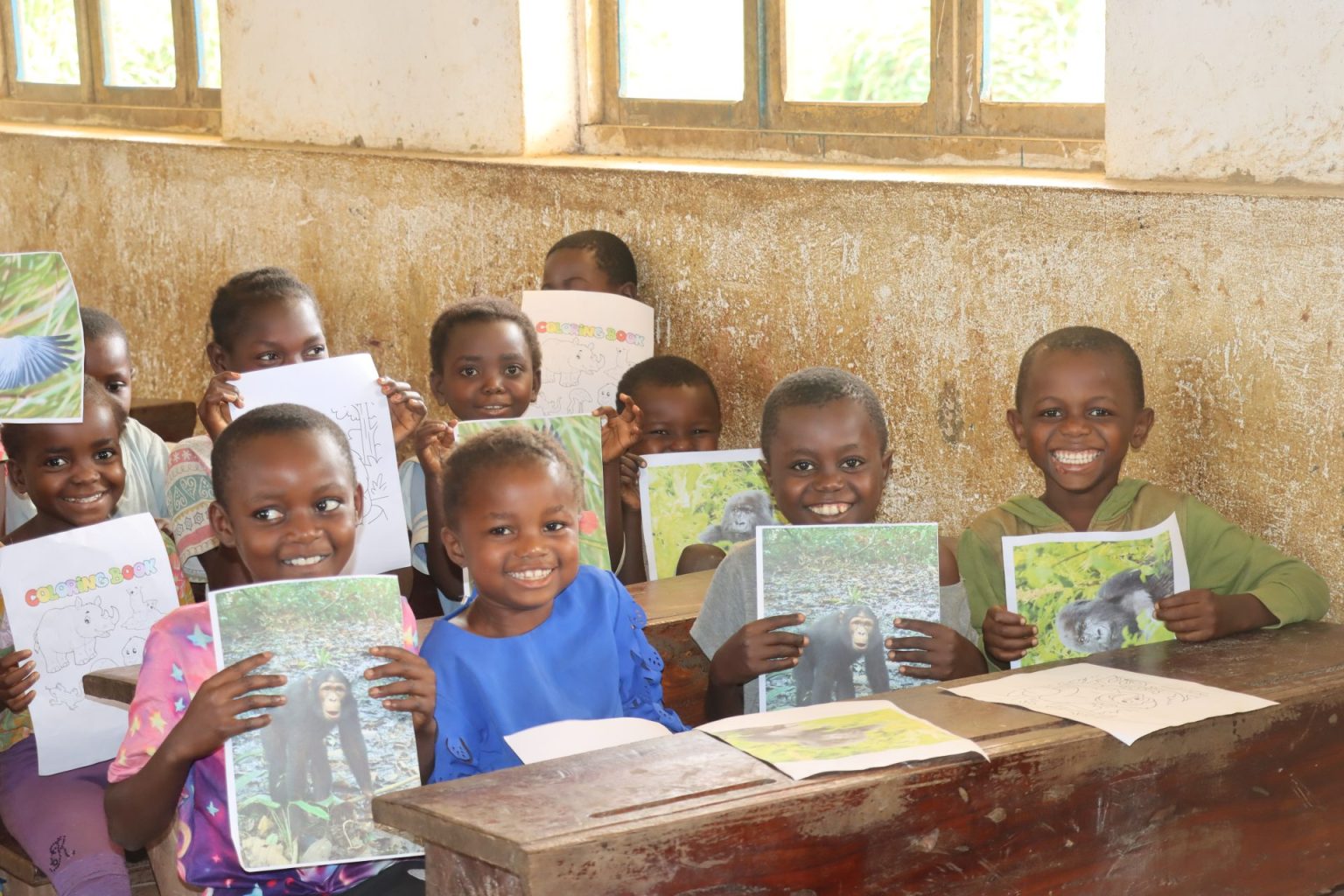
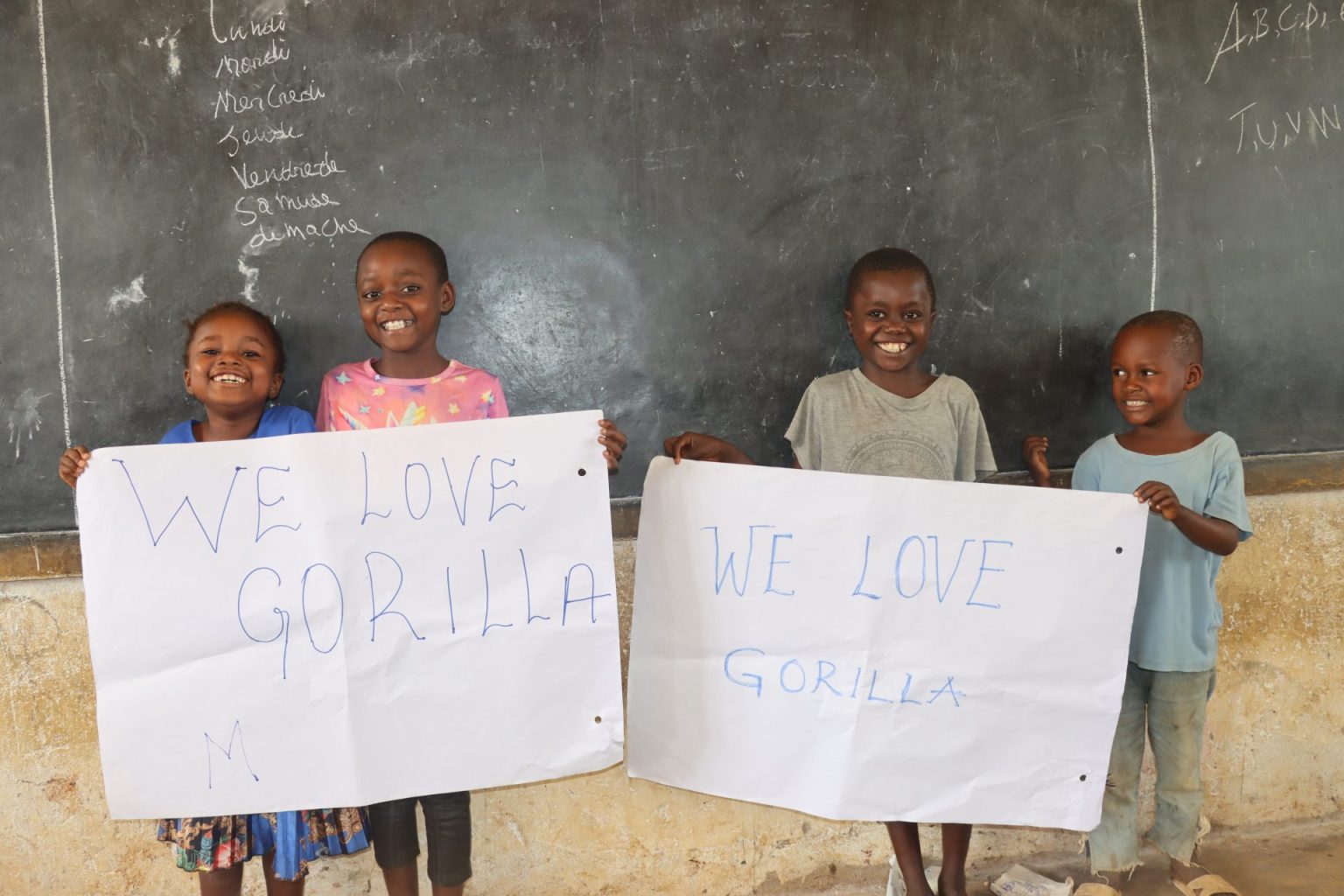
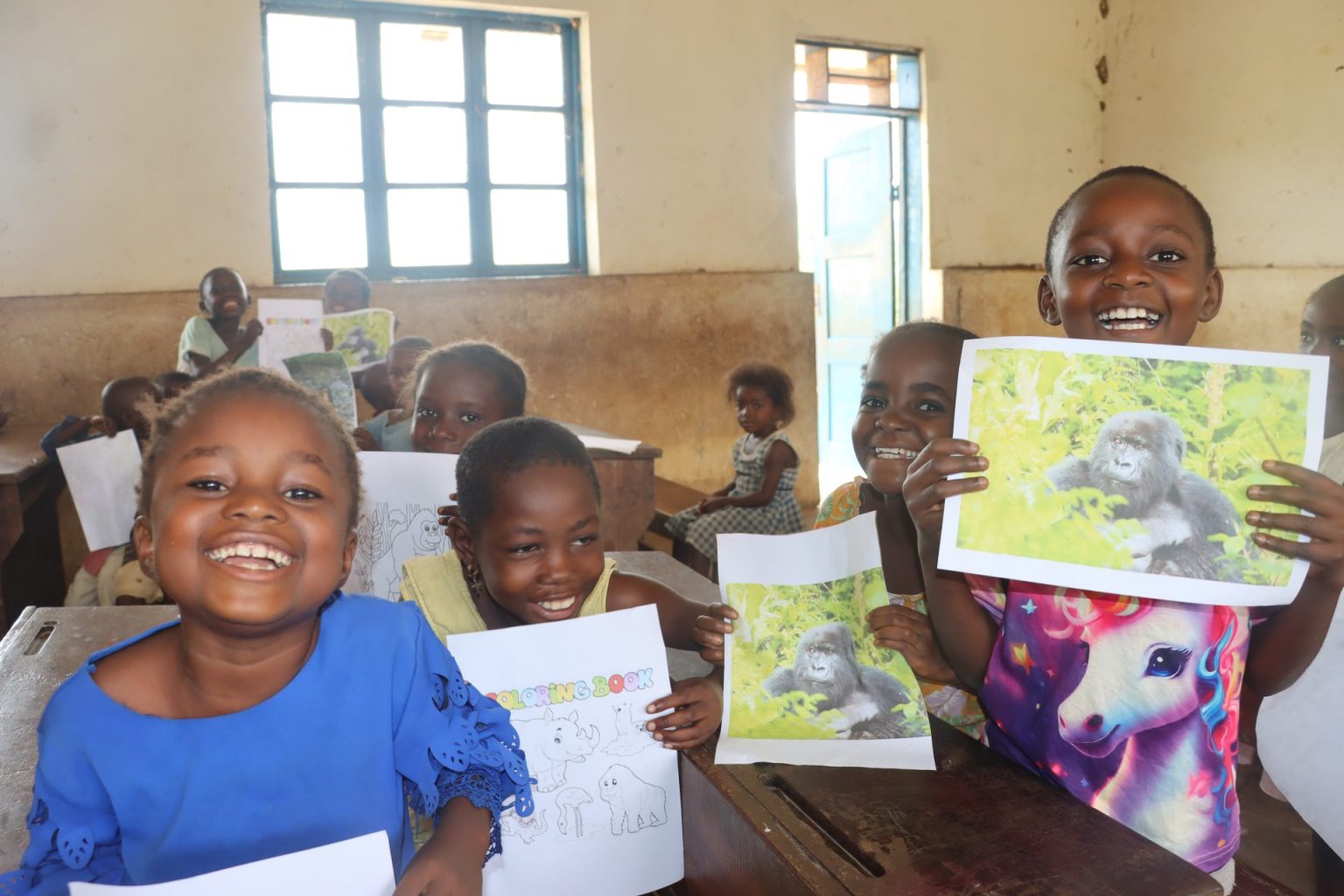
Throughout August, students gathered on Monday, Wednesday and Friday mornings for activities focused on biodiversity, gorilla conservation and the importance of healthy forests. They learned about the many species that share their environment, how ecosystems function and why protecting the forest is essential for Grauer’s gorillas and other wildlife.
Beyond reinforcing classroom learning, the summer camp gave students an engaging way to spend their school break. “The Dian Fossey Gorilla Fund provides us with educational materials and also offers the students a small meal after each class. The children are very motivated and really enjoy the activities. They learn things that they can then share with their families and communities,” says summer camp teacher Mutarumbu Munongo.
That opportunity to share knowledge beyond the classroom is an important part of conservation education. When children bring what they learn home, they can help spark conversations with parents, siblings and neighbors about the value of local forests and the wildlife they sustain.

Discovering the Nkuba Forest Firsthand
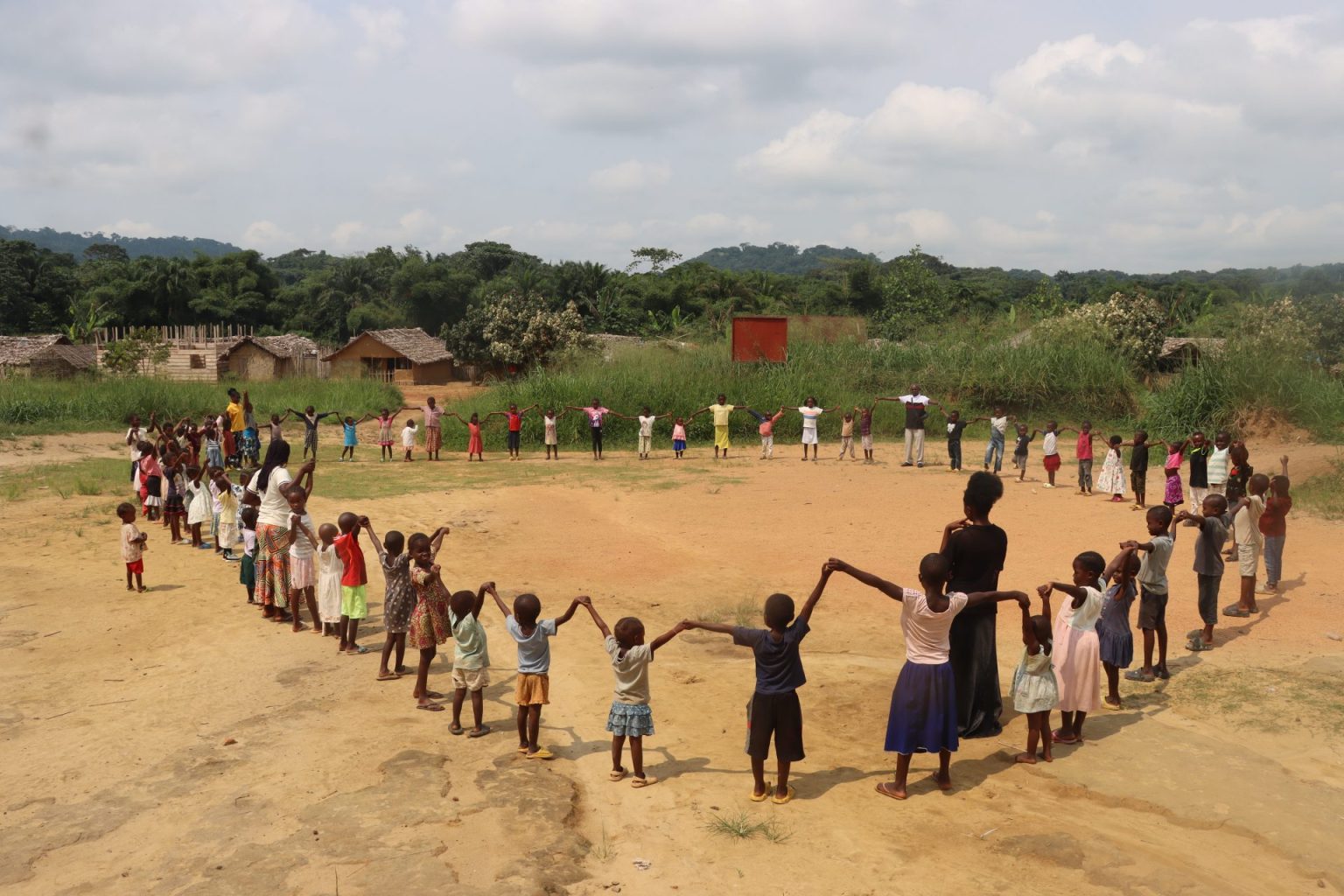
Learning also extended beyond the classroom through singing, dancing and other cultural and recreational activities that encouraged creativity and strengthened connections among the students.
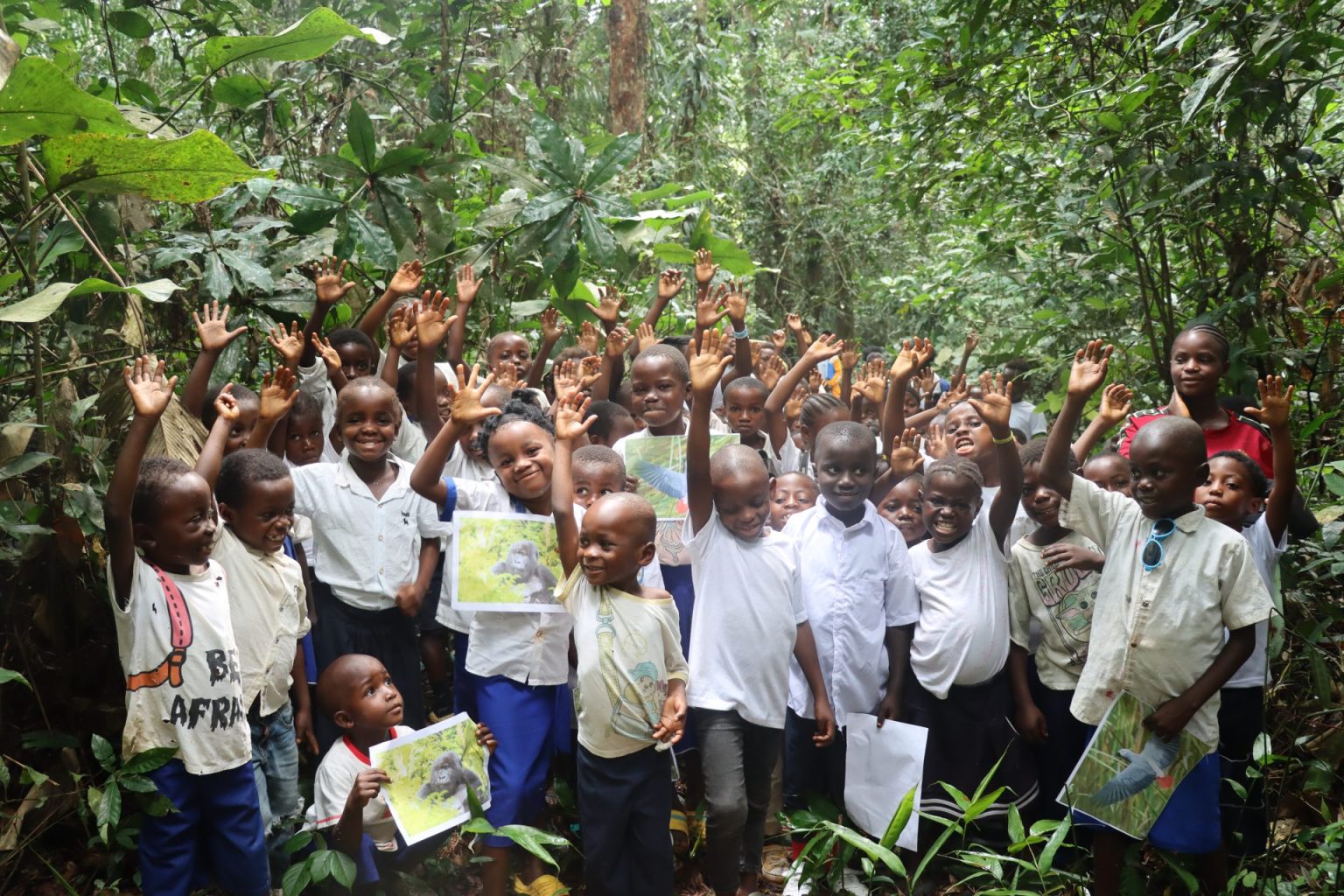
One of the highlights came near the end of camp, when the children ventured into the forest surrounding the Fossey Fund’s Nkuba base. The field trip gave them the chance to experience the ecosystem firsthand and connect the lessons they had learned with the natural world around them.
Guided by a Fossey Fund staff member with expertise in birds, the students took part in a birdwatching activity, observing different species and learning more about the remarkable biodiversity of the Nkuba forest.
The experience helped bring an important lesson to life: the forest is much more than gorilla habitat. It supports a wide range of animals and plants, all connected within an ecosystem that also benefits neighboring communities.
According to Mr. Masalabo Kanyama, environmental education officer within the Fossey Fund’s Congo Community Conservation Program, these experiences can help foster an appreciation for nature and a lasting commitment to protecting it.
“These activities allow children to directly discover the richness of their environment. By giving them the opportunity to observe the forest and the species that live there, we help strengthen their knowledge and commitment to biodiversity conservation.”
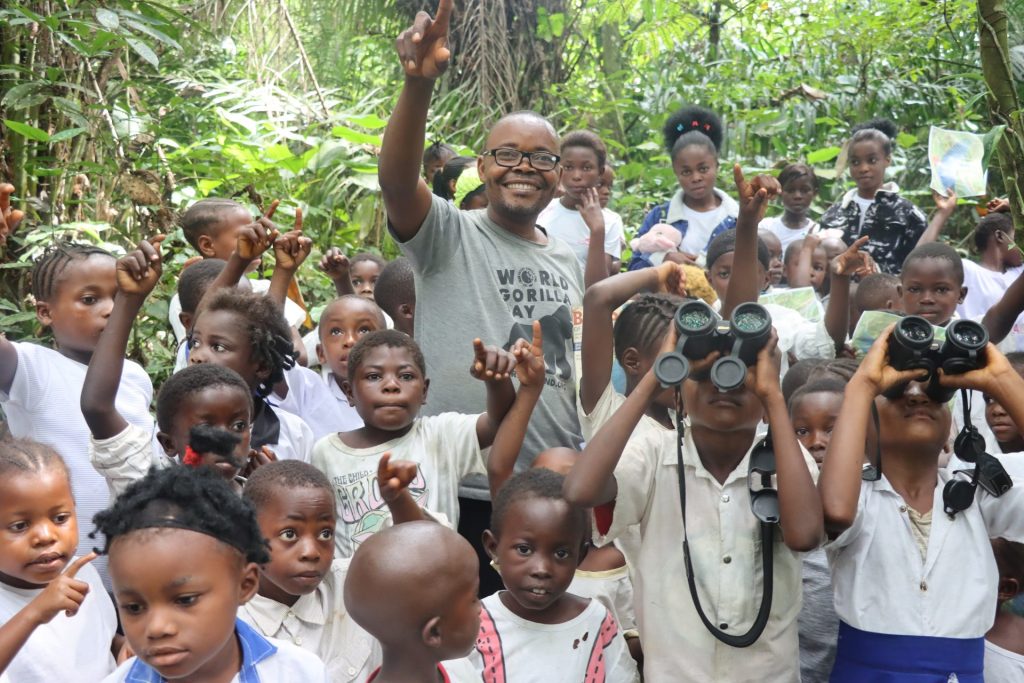
For students, seeing these connections in person made the lessons especially meaningful.
“The forest excursion particularly interested the students. They were able to see firsthand what we explained to them in the classroom. They understood that the forest is important for gorillas, birds, plants and also for the communities living around it,” says Batalibendji Mongero, a teacher for the summer camp.
Josephine Kapepa, one of the participating students, was particularly excited by the chance to observe birds and explore the forest.
“I really enjoyed visiting the forest. I learned that we need to protect trees because many animals live in the forest. I also really enjoyed watching the birds. Now I want to learn more about the animals that live in our forest and, one day, see a gorilla [in person],” she explains.
Investing in the Next Generation of Conservationists
The Nkuba summer camp offered more than an enjoyable school break. It created an opportunity for children to build knowledge about the environment they call home, develop curiosity about its wildlife and understand their own connection to its future.
These lessons are particularly important in the Nkuba Conservation Area, a vast forest landscape in the DRC that provides critical habitat for the critically endangered Grauer’s gorillas.. Protecting this habitat requires sustained conservation efforts, scientific research and meaningful engagement with the communities living alongside it.
By introducing children to biodiversity and conservation at an early age, the Fossey Fund is helping lay the groundwork for long-term local stewardship. Students who understand the importance of their forests can share that knowledge with their families, encourage greater appreciation for wildlife and carry these lessons into their future education and careers.
This approach reflects the Fossey Fund’s belief that lasting conservation depends on more than protecting wildlife today. It also means investing in people, building local knowledge and helping young people see themselves as part of the future of conservation.
Through programs like the Nkuba summer camp, the Fossey Fund is connecting children with the natural heritage around them and nurturing the next generation of conservation ambassadors who can help protect Grauer’s gorillas, the Nkuba forest and the extraordinary biodiversity of the DRC.