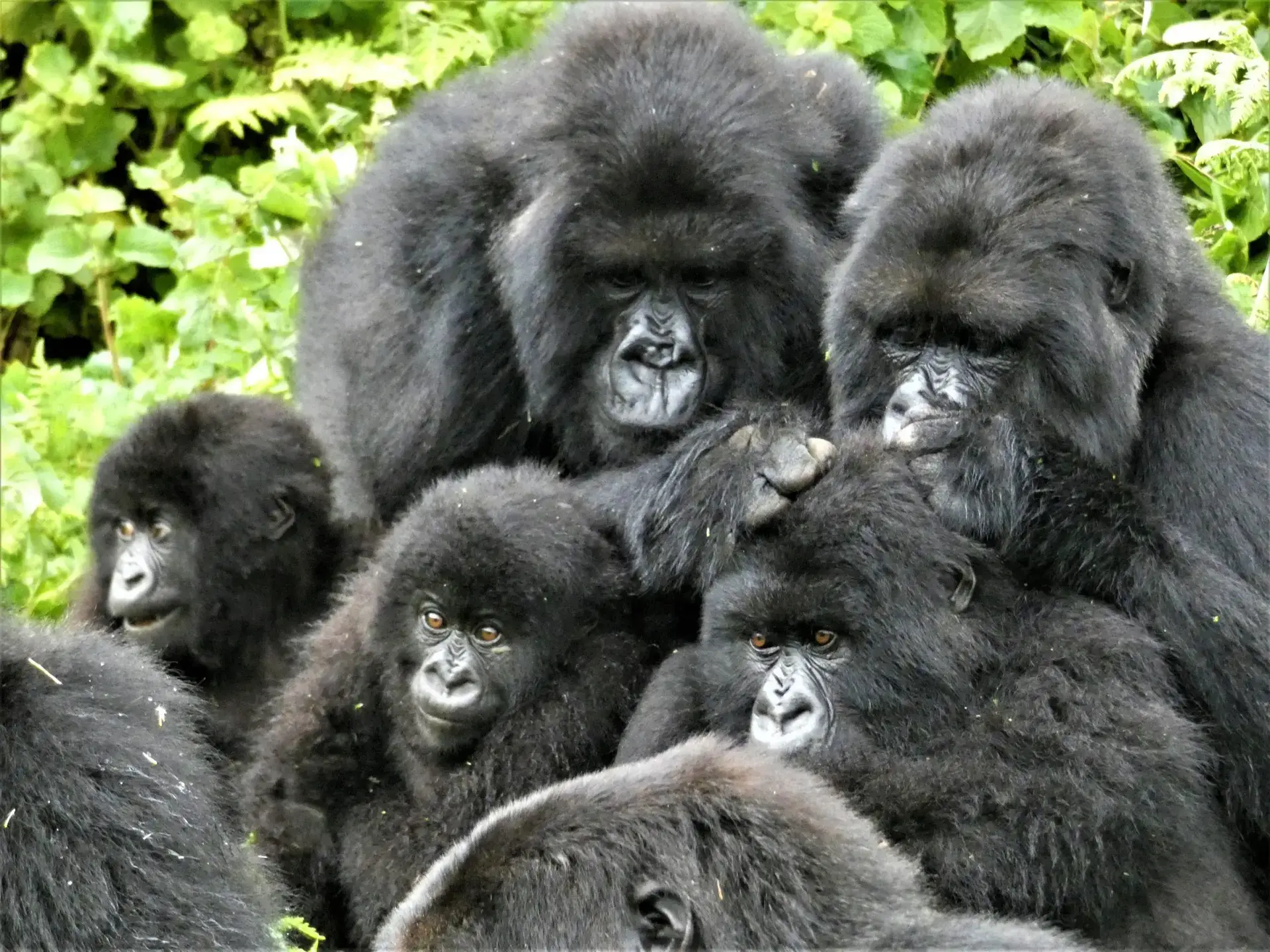
Gorillas are highly social animals, but it is common for adult males to leave their group and live alone, sometimes for years, sometimes for life.
For three of the four types of gorillas, only one adult male is present: the dominant silverback. This structure naturally prompts younger males to disperse and attempt to establish their own group by attracting females from other families.
However, in mountain gorillas, males can remain in their natal group for their entire lives, allowing multi-male groups to exist. This is likely linked to the high levels of food availability in mountain gorilla habitats , which enables larger groups to form. Generally, gorilla groups average about 10 individuals but we have seen mountain gorillas up to 65 animals! Because of these conditions, having multiple males can improve protection during encounters with other groups or lone silverbacks. Our long-term data shows that about 50% of mountain gorilla males stay in their natal group while the other 50% will emigrate. Because, unlike females, these males are unable to join families that are not their own, this means they generally enter a solitary phase that can last for months, years or even the rest of their lives.

Living alone is not considered a negative condition, as it removes the social stress of a strict male hierarchy and can give a male the opportunity to increase his competitiveness through increases in size and strength. While we don’t know why some males eventually become successful in attracting females to join them and some do not, part of it is likely driven by their individual personalities, as some males are very persistent in following groups while others seem to prefer a calmer existence on their own.
Males typically leave their natal group around age 14-18, when they reach full physical maturity. In the first years of solitary life, males can continue to grow in size and strength, making them increasingly attractive to females and a greater competitive threat to established groups.
Meet Three Lone Silverback Gorillas and Their Stories
Imfura
Over two years he remained mostly at the periphery of the group, showing clear signs of attempting to elevate his status. His growing aggressiveness made him an unwelcome member of the group, especially to the recently established dominant silverback Ubwuzu. Before becoming an officially lone silverback, Imfura temporarily left the group with two females who had recently transferred in from another family, but after one month both returned to Pablo’s group, leaving him alone. At 17 years old and in strong physical condition, Imfura is well-placed to compete for females, and forming his own group remains a realistic possibility while he maintains his physical prime.
Cantsbee
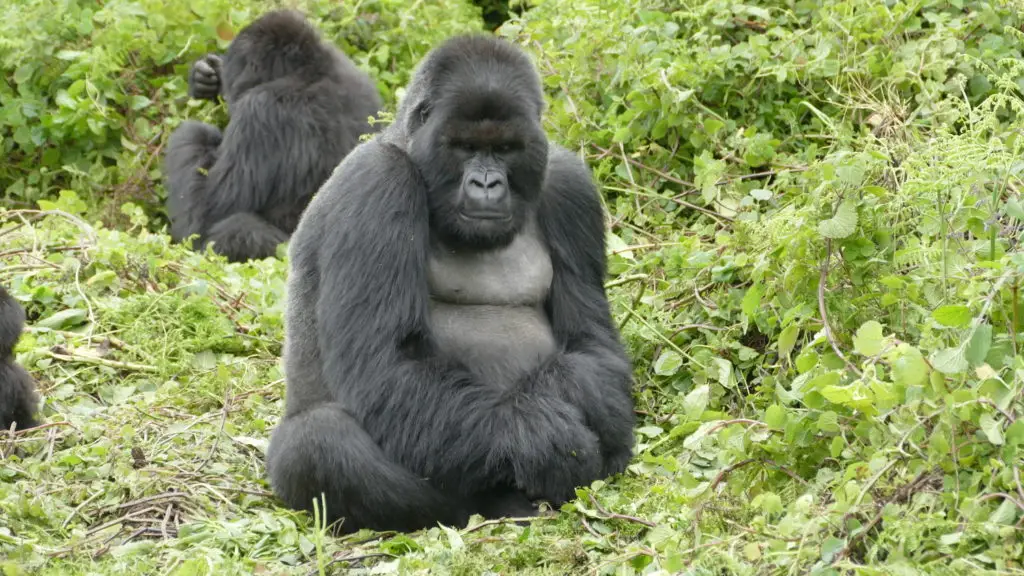
Silverbacks may also become solitary in old age, likely due to health decline that makes it difficult to keep pace with the group. In these cases, they may disappear without a confirmed death or reappear later. In 2017, the long-time dominant of Pablo’s group, Cantsbee, left at age 38 and was not seen for four months before reappearing a remarkable and unexpected event confirming that solitary life can sometimes lead to health recovery, Cantsbee ultimately passed after two months of this event.
Agashya
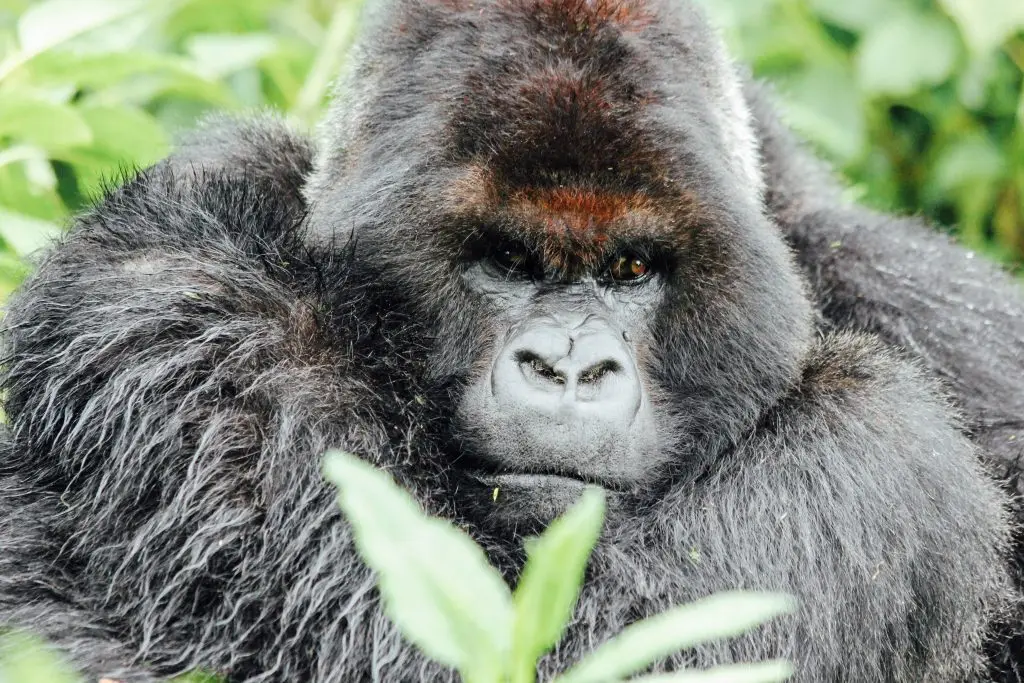
A similarly notable case is Agashya, one of the oldest known silverbacks. Since September 2025 he has moved in and out of his group, spending extended periods alone. After leaving in March, his wellbeing was uncertain until he was spotted again in June, feeding calmly and visibly aged but still in reasonable condition.
Agashya’s exact age is unknown because he was first observed as an adult male in 2003, when he took the lead of the group that would later bear his name. This places his minimum age at 38, though he may be several years older. Until now, the oldest silverback with a known birth date was Cantsbee, who died in 2017 at age 38. Agashya may already surpass that record. His group is currently led by the 21-year-old silverback Isano, and we hope to continue seeing Agashya and documenting the life of this remarkable gorilla.
Lone silverbacks are still important
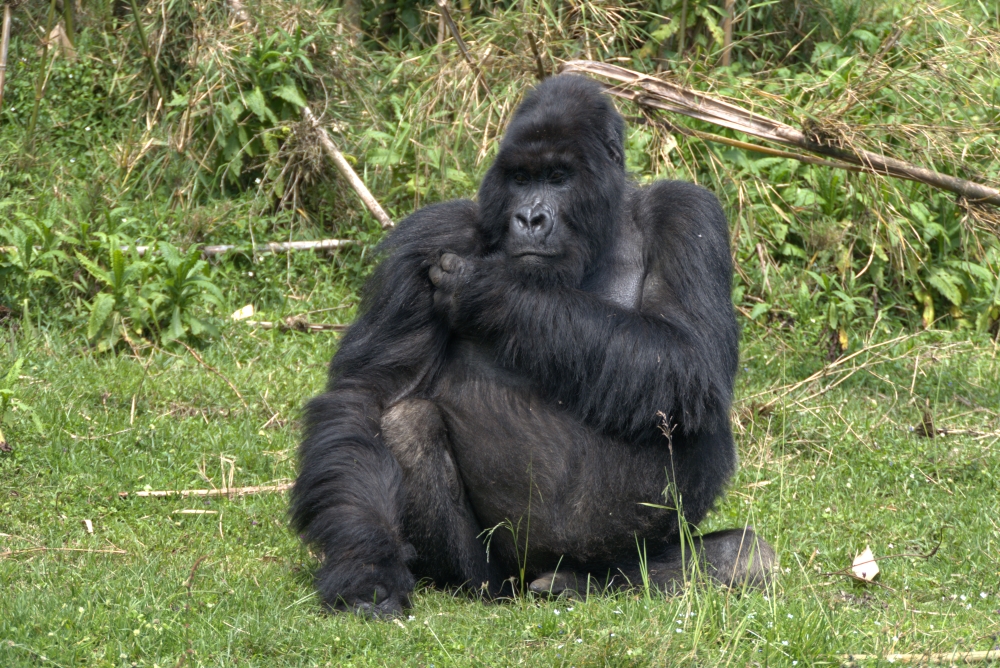
Solitary males are a key presence in the forest, affecting the entire population dynamics and growth. Groups will often avoid interacting with solitary males, as they can be more aggressive than males living in a group and quite persistent in their attempts to steal females away from existing families. This can, in turn, affect how groups move through the forest. Solitary males are very difficult to follow so we don’t have teams with them on a daily basis, as we do with the family groups we monitor, but it is always very rewarding when we encounter them opportunistically and find them doing well.
More silverbacks worth knowing!
Inshuti
The most persistent among the lone silverbacks, was alone for most of his adult life but formed temporary groups four times, one of which lasted seven years.
Mutobo
One of the most successful lone silverbacks, formed his own group after becoming solitary in 2017 when he left Pablo’s group. He attracted a few females in 2019, and his group has continued to grow from the original 4 gorillas to 17 today.
Gasore
Gasore became a lone silverback in 2015 when he left the Ugenda group. He was one of the few silverbacks to have joined and been accepted into another group as a young male, before leaving again and becoming solitary. For the unusual acceptance we have previously thought to be a female, but later on he revealed himself as a silverback.
Urugwiro
Urugwiro is the older brother of Mutobo, became a lone silverback in 2014. Unlike his brother, he was not successful, despite several attempts and temporarily attracting females, he ultimately remained alone.
This article is part of a series presented by the Fossey Fund’s gorilla program Senior Advisor Veronica Vecellio, focusing on the mountain gorillas the Fossey Fund protects and studies every day in Rwanda. Veronica has worked with these gorilla families for more than 20 years and shares her deep knowledge and insights about their lives.